


1. Background of high-density computer room transformation
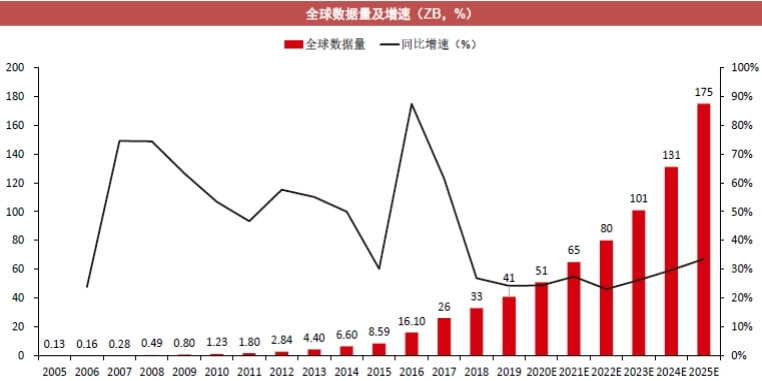
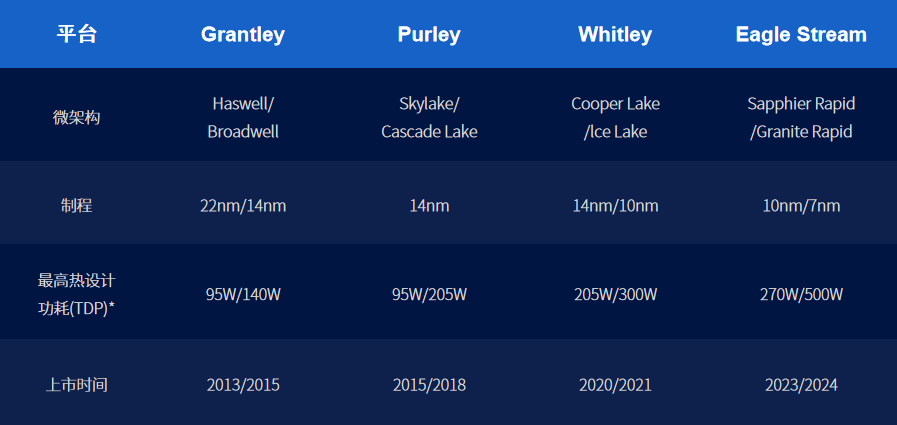
With the explosive growth of global data volume and the increasing power consumption of CPU/GPU of high-computing power servers, users' existing data center infrastructure and IT equipment in cabinets can no longer meet the growing computing and storage needs.
2. Key points of high-density computer room renovation
The transformation scenarios of high-density computing power data centers need to be evaluated and selected according to the specific situation of users, and multiple factors such as site space, energy efficiency, reliability, and availability need to be considered, and the specific transformation points are as follows:
1. The user data center is outdated or old, with the upgrading of technology and equipment, the user data center needs to be upgraded and updated to adapt to new computing and storage needs, but because the data center is limited by site space, it is impossible to carry out large-scale expansion, and it is necessary to use high-density technology to integrate more computing and storage devices in a limited space.
2. At present, the national and local governments have imposed restrictions on PUE values, and user data centers are facing stricter requirements for energy conservation and emission reduction than before, so the transformation of high-density computing power data centers requires the use of more efficient power distribution energy technology and air conditioning heat dissipation technology to reduce energy consumption and heat dissipation costs, while improving energy utilization efficiency and heat dissipation performance.
3. The renovated high-density data center needs to have high availability and high reliability, and improve the availability and reliability of the data center by updating to more reliable technology and equipment, while carrying out redundancy design and adding fault tolerance measures.
4. The renovation of high-density computer rooms is recommended to adopt modular design and technology to achieve rapid expansion and upgrade to meet the growing computing and storage needs in the future.


