


In today's pursuit of energy conservation and environmental protection, air energy heat pumps, water source heat pumps and ground source heat pumps have become popular choices for heating and cooling. However, in the face of these three types of heat pumps, many people do not know how to choose. This article will analyze the differences between air energy, water source and ground source heat pumps in detail from the aspects of working principles, advantages and disadvantages, applicable scenarios, etc., to help you find the most suitable heat pump system for you.
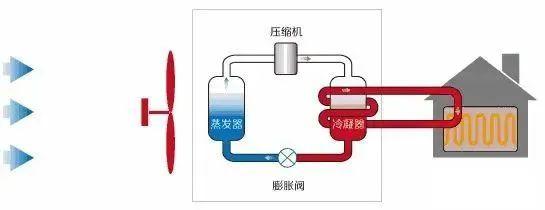
1. Air energy heat pump: wide application and low cost
How it works:
Air energy heat pumps absorb low-grade heat energy from the air and convert it into high-temperature heat energy for indoor heating or cooling. At its core, it uses heat from the air to transfer energy through compressors and heat exchangers.
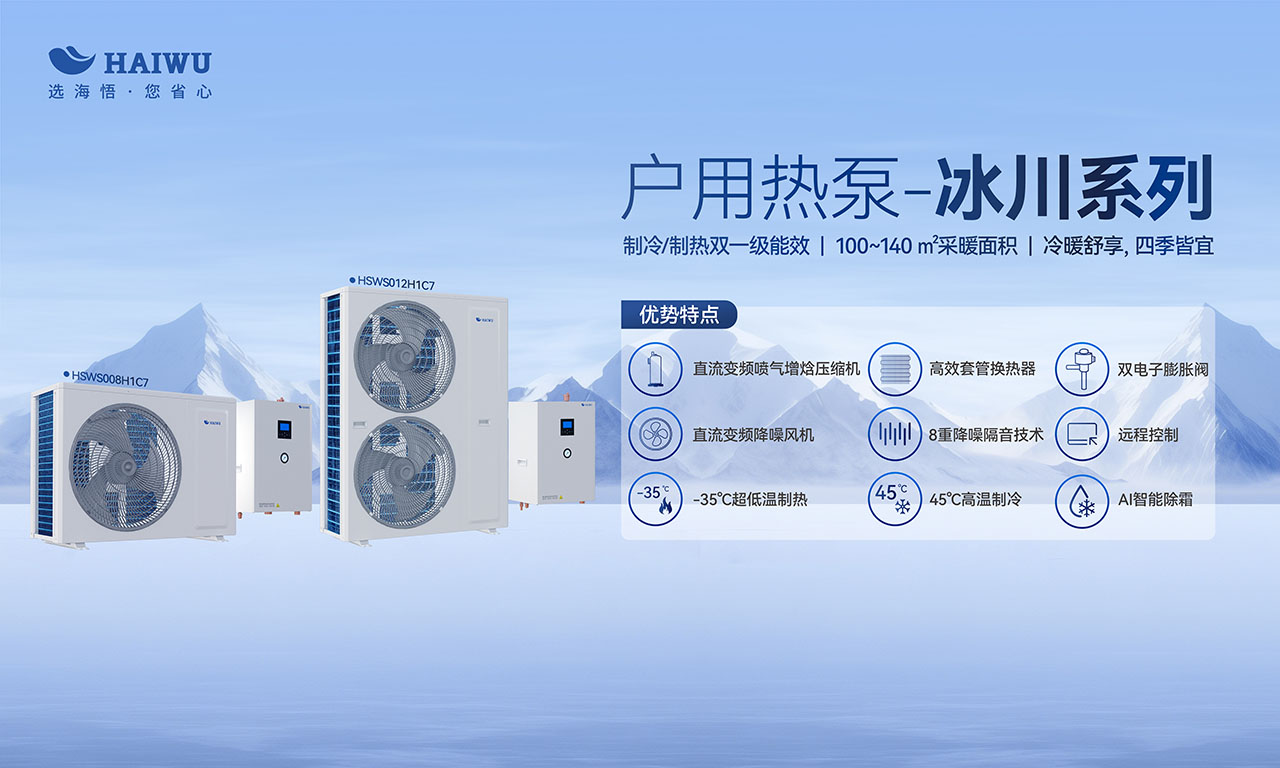
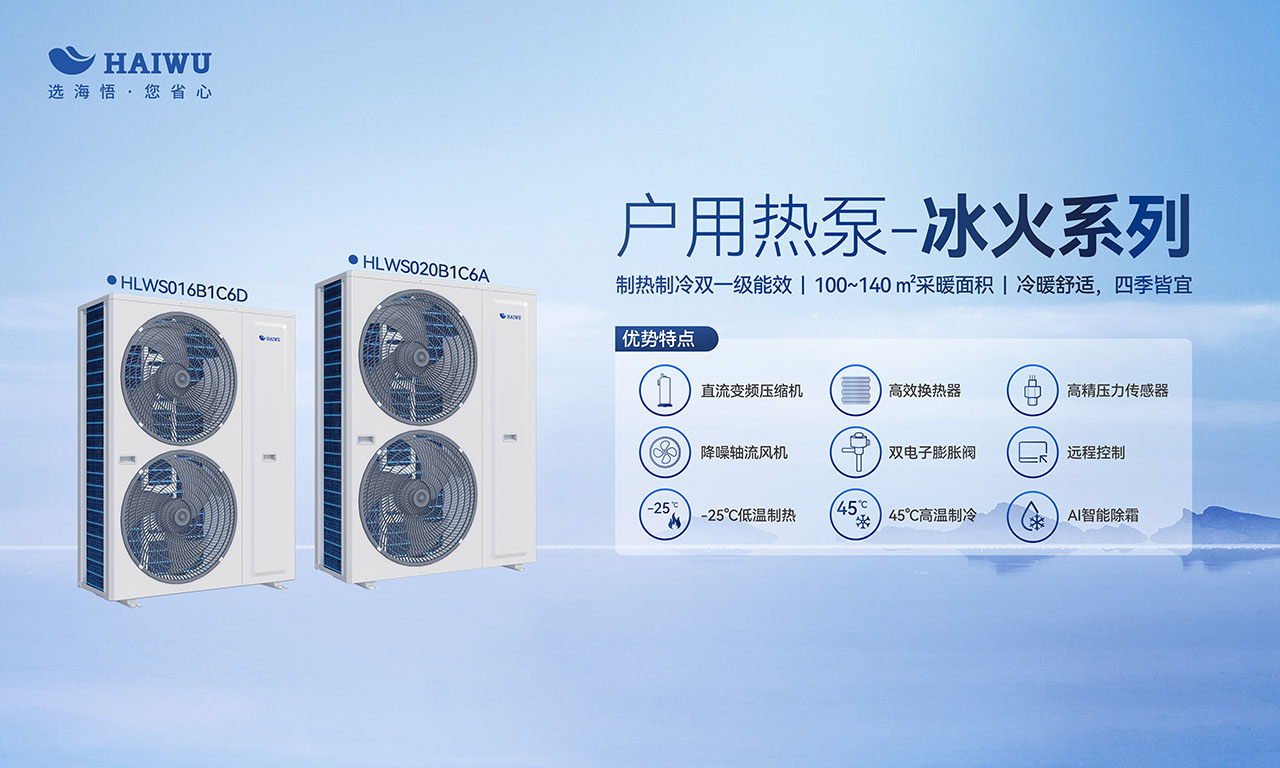
merit
- Wide range of application: It can operate in an environment of -7°C to 40°C, and can be used all year round without being affected by bad weather.
- Low operating cost: The energy saving effect is remarkable, and the operating cost is lower than that of gas and electric heating equipment.
- Environmental protection and pollution-free: No combustion emissions, no harm to human body and the environment.
shortcoming
- Frost Problem: It is easy to form frost in low temperature environments, affecting efficiency.
- Geographical restrictions: In extremely cold areas, there is less heat energy in the air, and the heating effect will be greatly reduced.
Applicable scenarios
It is suitable for areas with a mild climate, especially for homes and commercial premises where the temperature does not drop below -7°C in winter.
2. Water source heat pump: efficient and stable, multi-purpose
How it works:
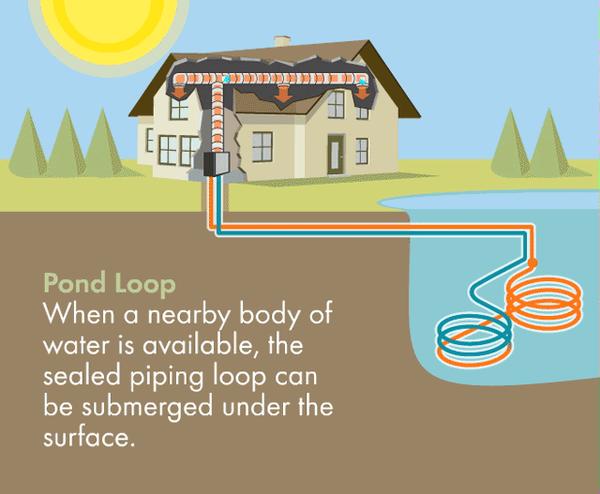
Water source heat pumps use heat energy from groundwater, rivers or lakes to convert low-level heat energy into high-level heat energy through heat pump technology for heating or cooling.
merit
- Efficient and stable: The water source temperature is relatively stable, and the heat pump operates efficiently.
- Multi-purpose: It can provide both heat source and cooling in summer, meeting the diverse needs of public buildings.
- Energy conservation and environmental protection: more than two-thirds of energy savings than electric boilers and more than one-half of fuel boilers, reducing carbon emissions.
shortcoming
- Water source conditions: Some cities prohibit the extraction of groundwater, and seasonal changes in the water level of rivers and lakes will also affect the use.
- High initial investment: The system is complex and difficult to install, requiring the participation of professional and technical personnel.
Applicable scenarios
It is suitable for areas with stable water source conditions, such as near rivers, lakes, or places with abundant groundwater resources.
3. Ground source heat pump: energy saving and environmental protection, low operating cost
How it works:
Ground source heat pumps use the stable temperature of subsoil, groundwater, or surface water to achieve heating or cooling through heat pump technology.
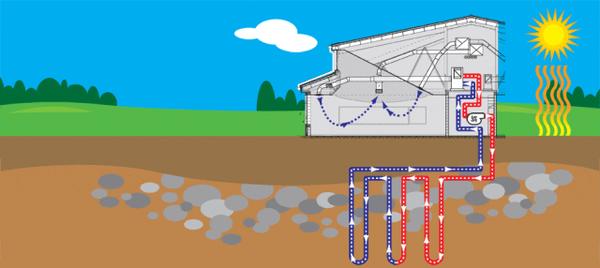
merit
- Low operating cost: the underground temperature is stable, the COP value is as high as 4 or more, and the power saving is 30%-40% compared with ordinary central air conditioning.
- Energy saving and environmental protection: reduce the amount of refrigerant used, reduce air pollution, and have no carbon emissions during operation.
- Long life: The life of underground pipelines can reach 50 years, and the life of the unit can be up to 20 years.
shortcoming
- High initial investment: The initial investment of small household ground source heat pump system is more than 100,000 yuan, and the cost of commercial systems is higher.
- Complex installation: requires professional design and construction, and has high requirements for site conditions.
Applicable scenarios
It is suitable for families and commercial places with high requirements for energy conservation and environmental protection and sufficient budget, especially for large public buildings.
Conclusion: Choose the right one is the best
Air energy, water source and ground source heat pumps have their own advantages and disadvantages, and should be comprehensively considered when choosing based on their own needs, climatic conditions, budget and site conditions. No matter which heat pump you choose, it can bring you an energy-saving and environmentally friendly comfort experience. If you are still hesitating, please contact our professional team for customized advice!


