


In today's pursuit of comfortable living, air conditioning and air energy equipment have become essential choices for many homes and commercial places. However, in the face of these two, many people are not clear about their essential differences. This article will provide you with a detailed analysis of the differences between air energy and air conditioning from the aspects of working principle, operating environment adaptability, comfort, and energy consumption, helping you make a more informed choice.
1. Differences in working principles: the contest between energy conservation and environmental protection
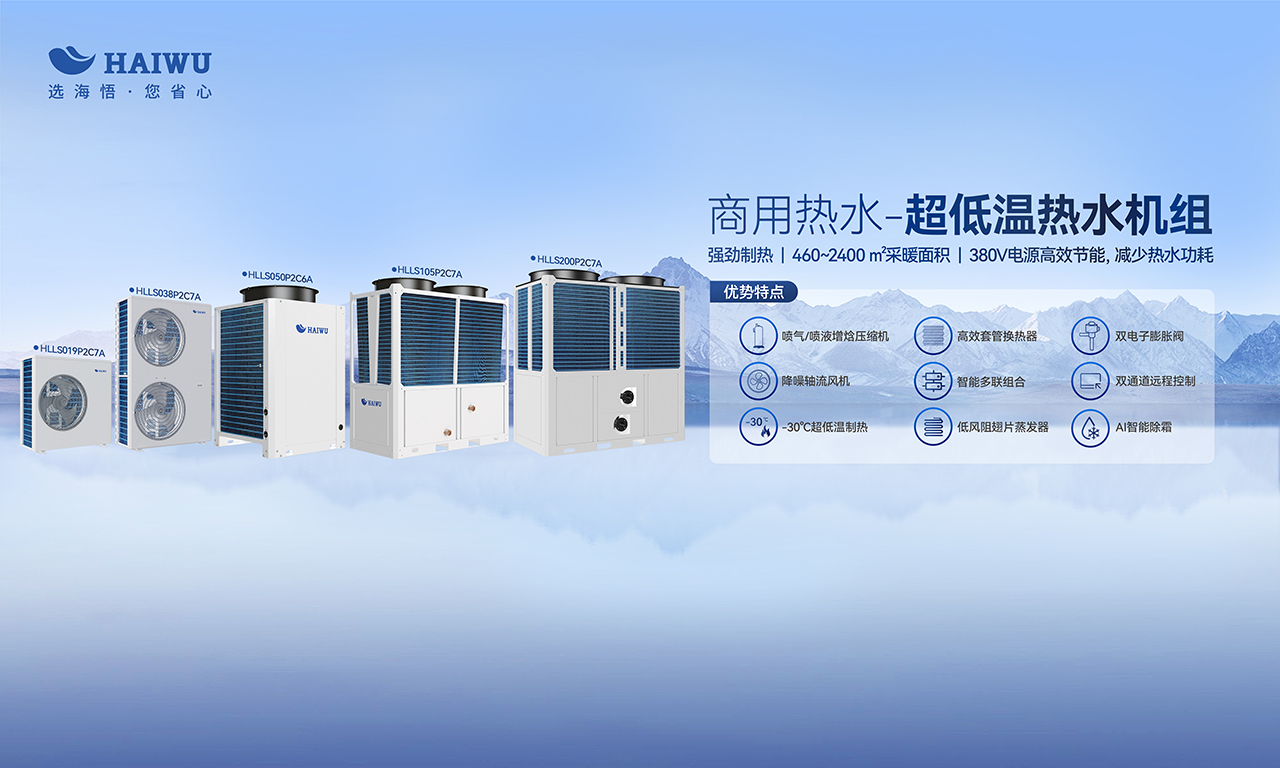
- Air energy: The air source heat pump uses the inverse Carnot principle to drive the compressor through a small amount of electrical energy, absorb the heat energy in the air, and transfer it to water or air to achieve heating or cooling. This working principle is not only efficient, but also greatly reduces power consumption, making it more energy-saving and environmentally friendly.
- Air conditioning: Traditional air conditioners regulate temperature through the circulation of refrigerants in evaporators and condensers, and although they can also achieve cooling and heating, their energy consumption is high, especially in extreme temperatures, and the efficiency will be significantly reduced.
Summary: Air energy is better in terms of energy conservation and environmental protection, and is suitable for users who pursue a green life.
2. Adaptability of operating environment: performance in severe cold
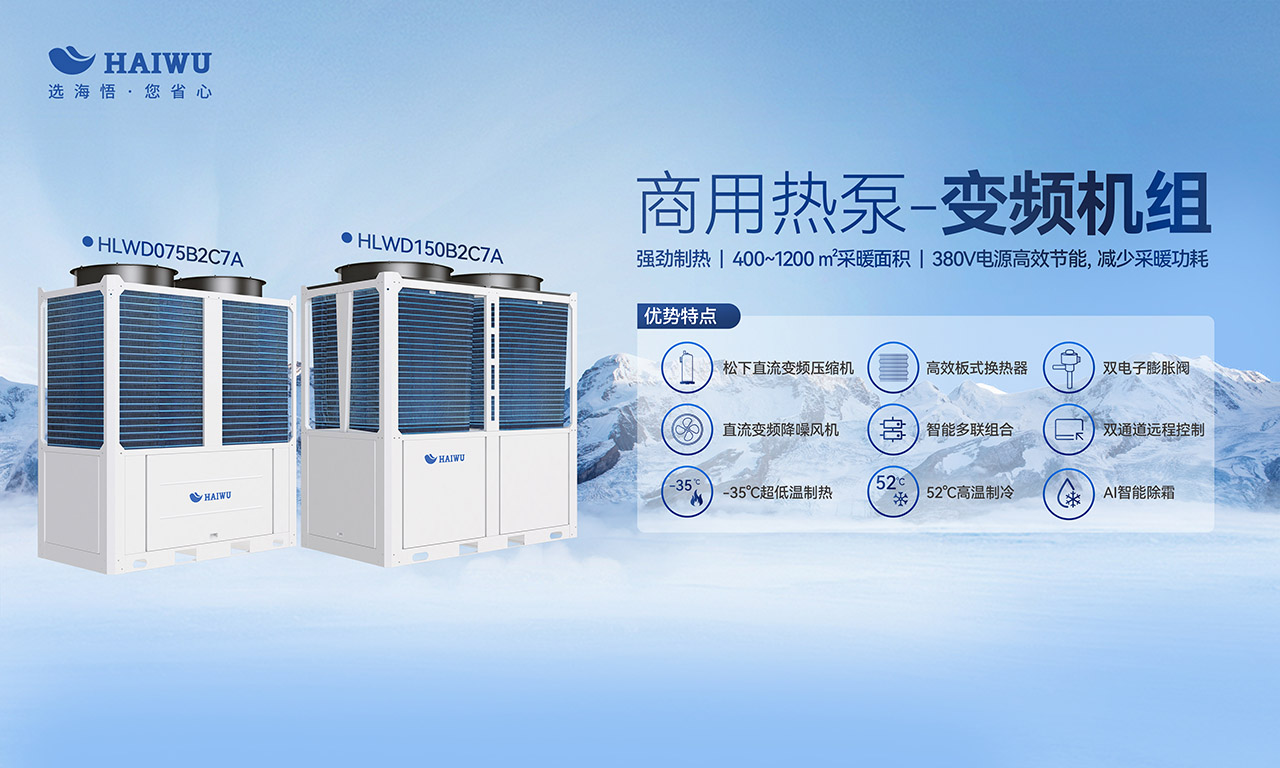
- Air energy: Air source heat pumps perform well in low-temperature environments, and some high-end products can even operate stably in the severe cold of -30°C, providing reliable winter heating solutions for the northern region.
- Air conditioning: In an environment below 0°C, the heating effect of traditional air conditioners will be greatly reduced, and may even not work properly, making it difficult to meet the needs of cold areas.
Summary: Air can be more adaptable in extreme environments, especially suitable for use in cold regions.
3. Comfort experience: the balance between humidity and health
- Air energy: Through the circulation of the water system, air energy equipment can effectively maintain indoor humidity, reduce air dryness, reduce the risk of "air conditioning disease", and provide a more comfortable experience.
- Air conditioning: Traditional air conditioners that use fluorine system circulation will absorb a large amount of moisture in the air during the cooling or heating process, causing indoor air dryness and long-term use may cause discomfort.
Summary: Air energy has more advantages in terms of comfort and health, especially suitable for users with high requirements for indoor environments.
4. Energy consumption and energy saving: long-term use economy
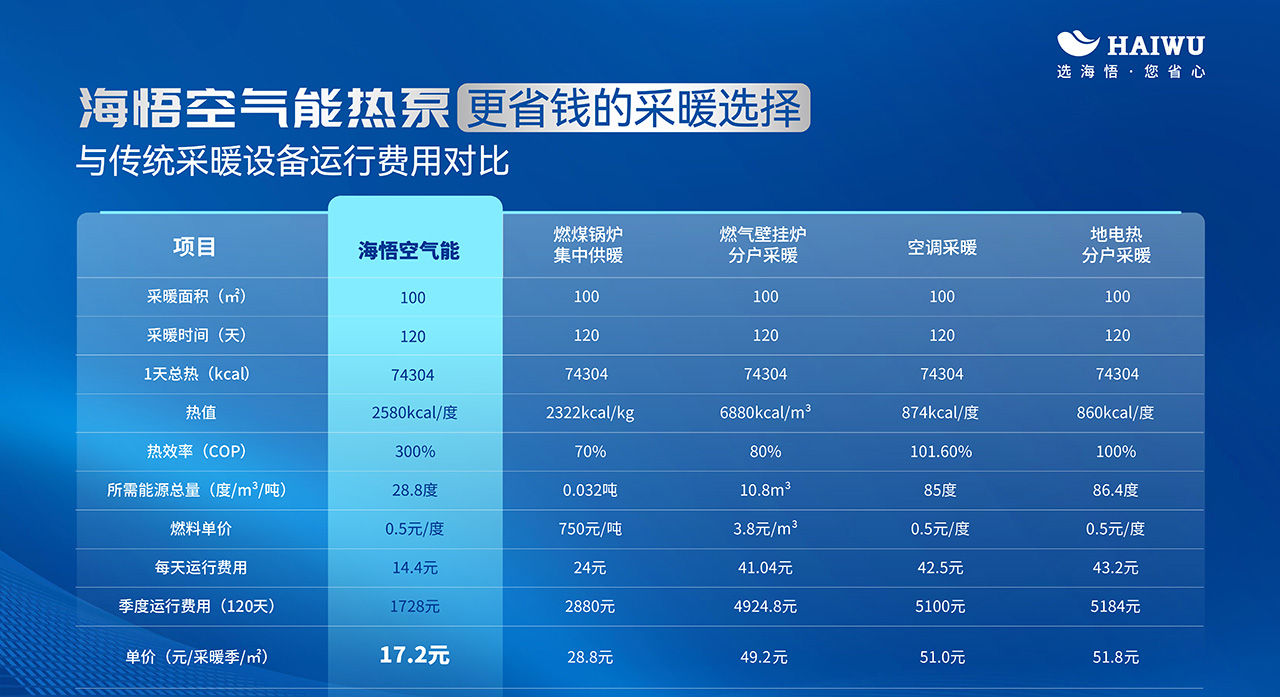
- Air energy: The efficient conversion mechanism and intelligent control logic of the air source heat pump allow it to maintain low energy consumption even after working for a long time. In the insulation state, almost no electrical energy is consumed, and the long-term use cost is lower.
- Air conditioning: Whether cooling or heating, traditional air conditioners need to consume a lot of electrical energy, especially when heating in winter, due to low outdoor temperatures, energy consumption is higher.
Summary: Air energy is more economical in long-term use and is suitable for users who focus on energy conservation and reduced electricity bills.
Air energy – the future of energy-saving, comfortable and environmentally friendly
Through the above comparison, it can be seen that air energy is better than traditional air conditioners in terms of energy saving, environmental adaptability, comfort and economy. Whether it's winter heating in cold regions or pursuing a green lifestyle, air energy is a more ideal choice. If you're looking for a device that meets comfort needs while reducing energy consumption, Air Energy is undoubtedly your first choice.


