


Generally speaking, natural disasters mainly include floods, earthquakes, fires, typhoons, low temperature and snow disasters, geological disasters, etc., which are very likely to cause damage to houses, or poor water, electricity, transportation, etc. Natural disasters have previously been the leading cause of downtime or outages in data centers. For example, the heavy rain that occurred in Zhengzhou in July 2021 that had not been encountered in a century. On July 20, 2021, the maximum rainfall in Zhengzhou reached 201.9 mm in one hour, breaking through the historical extreme. Due to heavy rains, urban infrastructure is damaged, power outages or buildings are flooded, and some third-party data center service providers are affected by their computer rooms, resulting in service interruptions.
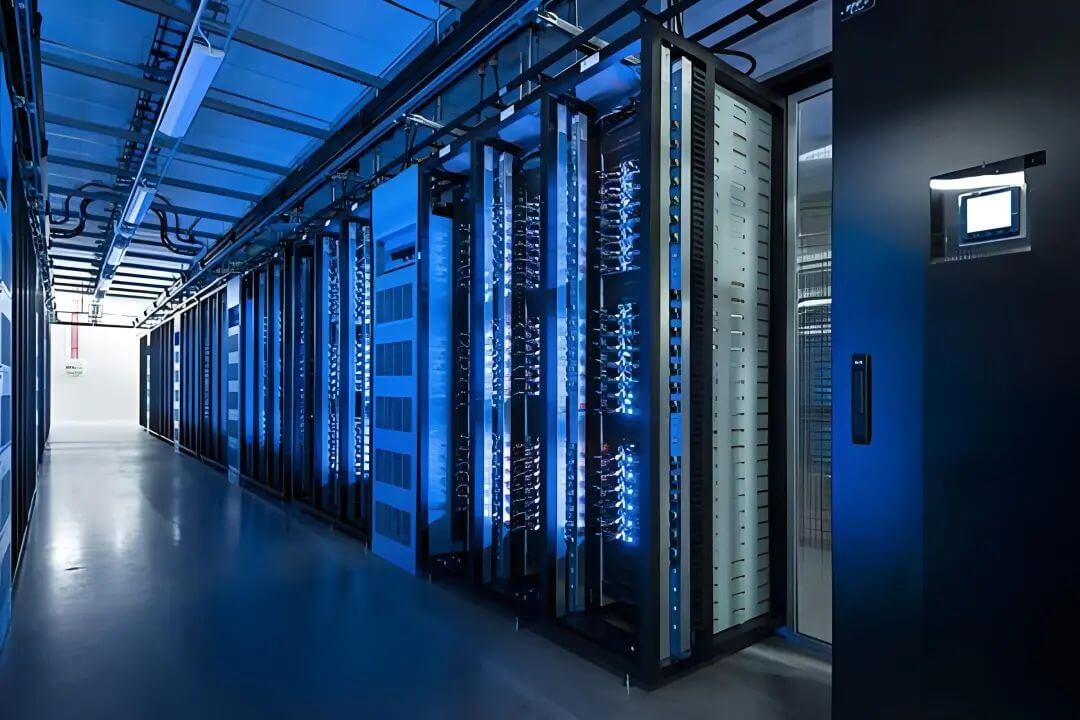
There are two main types of data center downtime: first, natural disasters damage IT equipment such as servers and storage, as well as the physical infrastructure of related computer rooms, resulting in service interruption; Second, human reasons, such as administrator misoperation, software failures, or malicious vandalism (such as ransomware or viruses), may also lead to service interruptions.
Judging from the major catastrophic events in data centers exposed around the world in recent years, it seems that the number of service outages caused by natural disasters, such as fires, physical equipment failures, etc., is decreasing. After all, natural disasters are relatively small probability events. On the other hand, due to people's increasing awareness of disaster prevention and mitigation, a lot of efforts and work have been made to reduce the negative impact of natural disasters even lower, whether it is in predicting catastrophic events in advance or in emergency response.
In addition, people are becoming more and more scientific, standardized and standardized in the planning and construction of data centers. For example, in terms of data center location, it will choose places far away from seismic zones and rich in water, electricity and cooling resources, and data center buildings are also specially designed and built independently, rather than being renovated on the basis of some office buildings. The equipment in the data center is also designed for sufficient redundancy. Many companies also pay great attention to disaster preparedness drills. These effective measures greatly reduce the possibility of service interruptions due to natural disasters.
However, we have to be vigilant that data center failures or downtime caused by human reasons have become the biggest "shortcomings" affecting business continuity.
NEWS
In January 2023, IT Glue, an IT document software vendor owned by Kaseya, reported that it was experiencing service outages during emergency database maintenance.
NEWS
In May 2023, 17 production databases were deleted from Microsoft's Azure DevOps service due to a simple typo. The incident caused the Azure DevOps service to be out of service for about 10 hours in the southern region of Brazil.
NEWS
In April 2024, a well-known cloud service provider in China exposed service failures, which were manifested as interface response errors and web page display 504 errors, covering the whole country. The service was interrupted for nearly 87 minutes, which was said to be caused by an anomaly in the cloud API service.
NEWS
In June 2024, Australian pension giant UniSuper's servers went down due to an error in Google Cloud's configuration of UniSuper private cloud, resulting in the fund's Google Cloud account being massively deleted and even UniSuper's backup data elsewhere. The outage lasted about a week.
NEWS
Recently, it was revealed that a national data center in Southeast Asia was attacked by a ransomware variant, and because more than 98% of the data in the data center was not backed up, the data could not be recovered for a while.
From these incidents, it can be seen that improper data deletion, misoperation during system maintenance or upgrade, imperfect backups, malicious attacks such as ransomware, etc., are the main factors that cause data center or cloud service interruptions. Statistics show that more than 70% of data center accidents are caused by human factors. Due to technological advancements and increased workloads, the entire data center system is becoming larger and more complex, which puts great pressure on daily operation and maintenance operations. In addition, cybersecurity threats represented by ransomware have intensified and become a "ticking time bomb" for the normal operation of data centers.
Find the disease and then prescribe the right medicine. Since human factors are the main cause of data center and cloud service interruptions, in the process of system operation and maintenance and disaster recovery system construction and implementation, in-depth analysis should be conducted on various human factors that may cause accidents to find effective countermeasures.
Disaster preparedness awareness should be further enhanced
Organizations need to know not only what's happening, but also why, analyzing the factors that could cause data center failures or cloud service downtime, and then formulate a foolproof strategy. There must be no fluke. Enterprise management should not only have a strong sense of safety and disaster recovery, but also urge all levels of the enterprise to implement disaster preparedness and safety defense measures in place in accordance with unified requirements, and assign responsibilities to people.
Disaster recovery drills cannot be a decoration
Due to problems such as manpower, cost, time or difficulty of implementation, some enterprises may have formulated disaster recovery drill plans but did not complete the drills strictly in accordance with the established cycle and goals. This can easily lead to the fact that when disasters or failures occur, they dare not switch or cannot switch, so that disaster recovery construction is verbal and cannot give full play to its practical role. At present, some domestic disaster recovery manufacturers, such as British Software, Meichuang Technology, Kelly Rui, etc., have further enhanced and optimized the integration of disaster recovery, especially the management of disaster recovery, so that users can implement disaster recovery drills at low cost, easier and more intelligently, and manage the entire disaster recovery process in a unified, intelligent and efficient manner.
Cyber resilience (cyber resilience) is a lesson that must be supplemented
Nowadays, cyber attacks are becoming more and more rampant, especially ransomware, which is highly targeted and destructive. Many data protection and disaster recovery vendors have also begun to incorporate improving "network resilience" into their overall strategies and solutions, such as VERITAS, Commvault, Dell Technologies, etc.
Normalize operation and maintenance management
It is easy to build a disaster recovery system, but in the long-term daily operation and maintenance of the system, there are fewer mistakes, no errors, and maximum business continuity, which is a challenge that every enterprise must face. Enterprises should not only pay attention to ideology, but also seriously think about and strictly implement the company system, talent training and use, skill improvement, and even the choice of outsourcing services.


