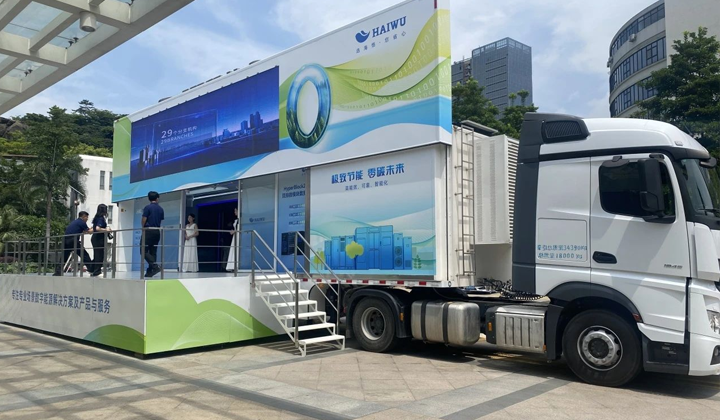
Large, medium, and large data centers

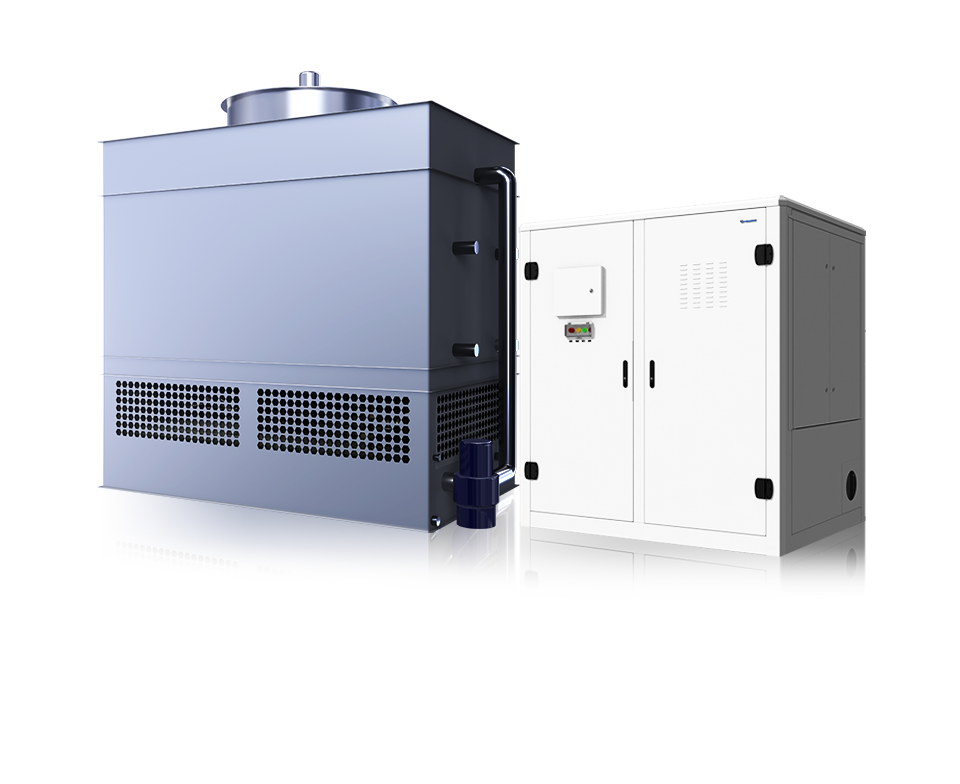
Magnetic levitation phase-change multi connected evaporative cooling unit
The Haiwu magnetic levitation phase change multi link system applies various advanced technologies such as magnetic levitation frequency conversion technology, multi link technology, power heat pipe technology, evaporative cooling technology, etc. The system operates oil-free and has a multi link architecture at the end, which can achieve flexible application in all scenarios; System control integration management, unified debugging, optimal operation allocation, and intelligent operation and maintenance management; The system is extremely efficient and can help achieve a data center PUE as low as 1.15.
The maximum motor efficiency reaches 98%
Magnetic levitation compressor eliminates mechanical friction losses and operates at low pressure ratio
Improved heat dissipation efficiency 30%
Evaporative condenser uses water evaporation to absorb heat, reduce condensation temperature, and extend natural cooling time
south CLF<0.15,north CLF<0.1
During the low temperature season, refrigerant circulation is driven by a fluorine pump, and natural cold sources are utilized to the fullest extent through indoor and outdoor temperature differences
Value proposition
 Reliable
Oil free operation eliminates the risk of compressor oil return and mechanical friction losses
Self detection of compressor operation status and self-protection logic
Reduce intermediate heat exchange links, make the system link simple and reliable
 High energy efficiency
Magnetic levitation frequency conversion technology: eliminates friction losses and operates at low voltage ratios
Power heat pipe technology: replacing compressors to provide refrigerant circulation power in winter, making the ultimate use of natural cold sources
Evaporative condensation technology: reduce condensation temperature and increase the utilization time of natural cold sources
 Intelligentization
Unified human-computer interaction interface, convenient for data monitoring of the entire system
System control integration management, dynamic energy efficiency intelligent management, optimal operation allocation
Independently developed intelligent control system, remote networking, fault self diagnosis
Application scenarios
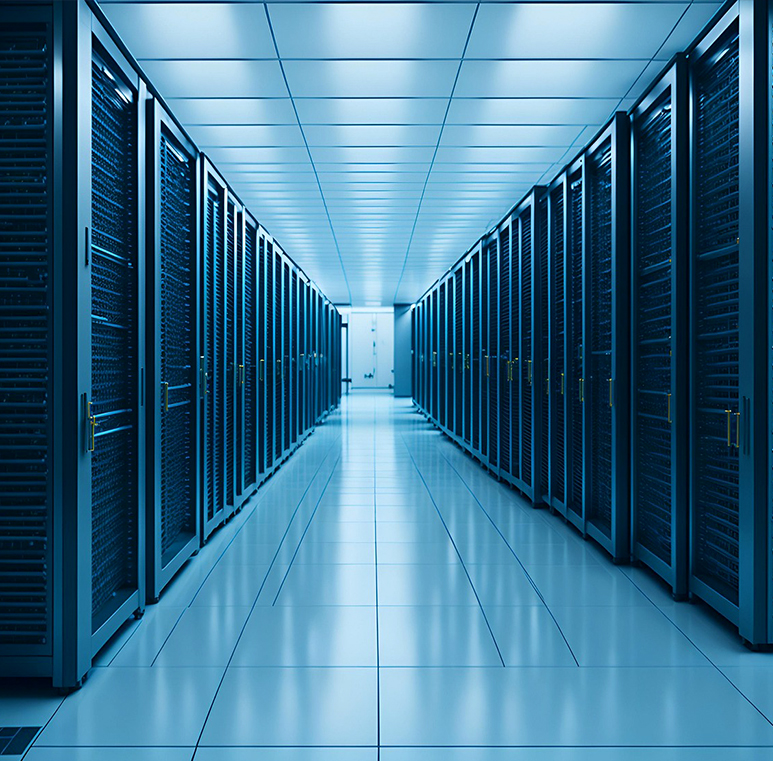
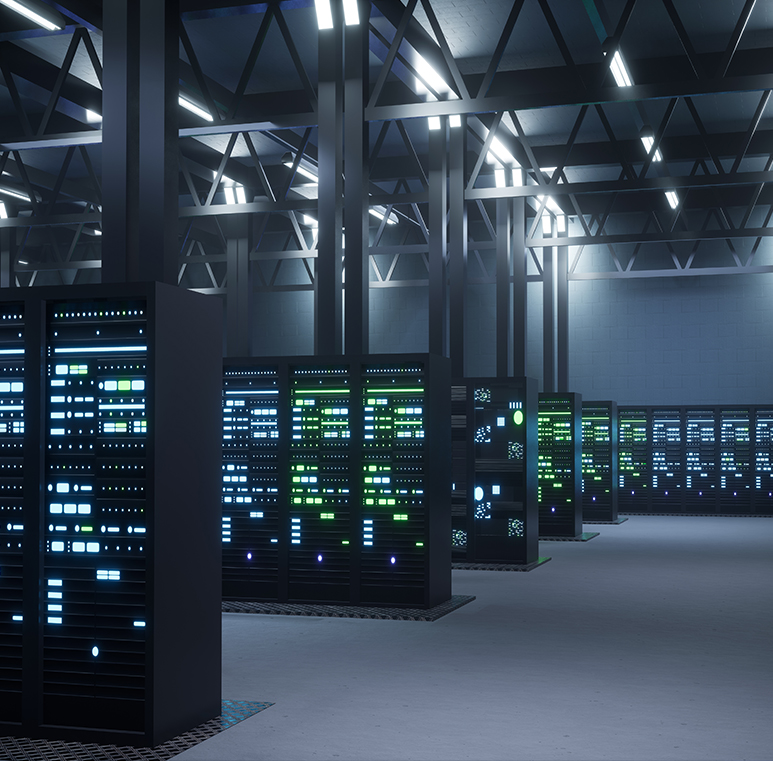
Modular Data Center
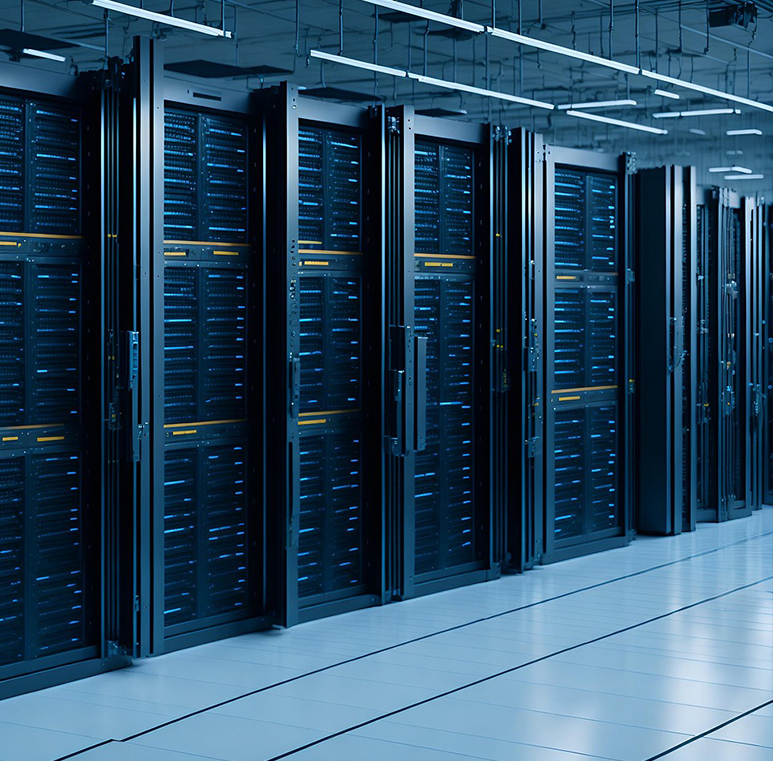
Medium to high heat density communication equipment and computer room
Event