


In the modern society that pursues high efficiency and energy saving, air energy water heaters have gradually become the first choice for home hot water supply due to their excellent energy-saving performance. However, many consumers still have doubts about the electricity consumption of air energy water heaters 24 hours a day. Today, we will unravel this mystery and analyze the truth about the electricity consumption of air energy water heaters in detail.
1. Power consumption is affected by multiple factors
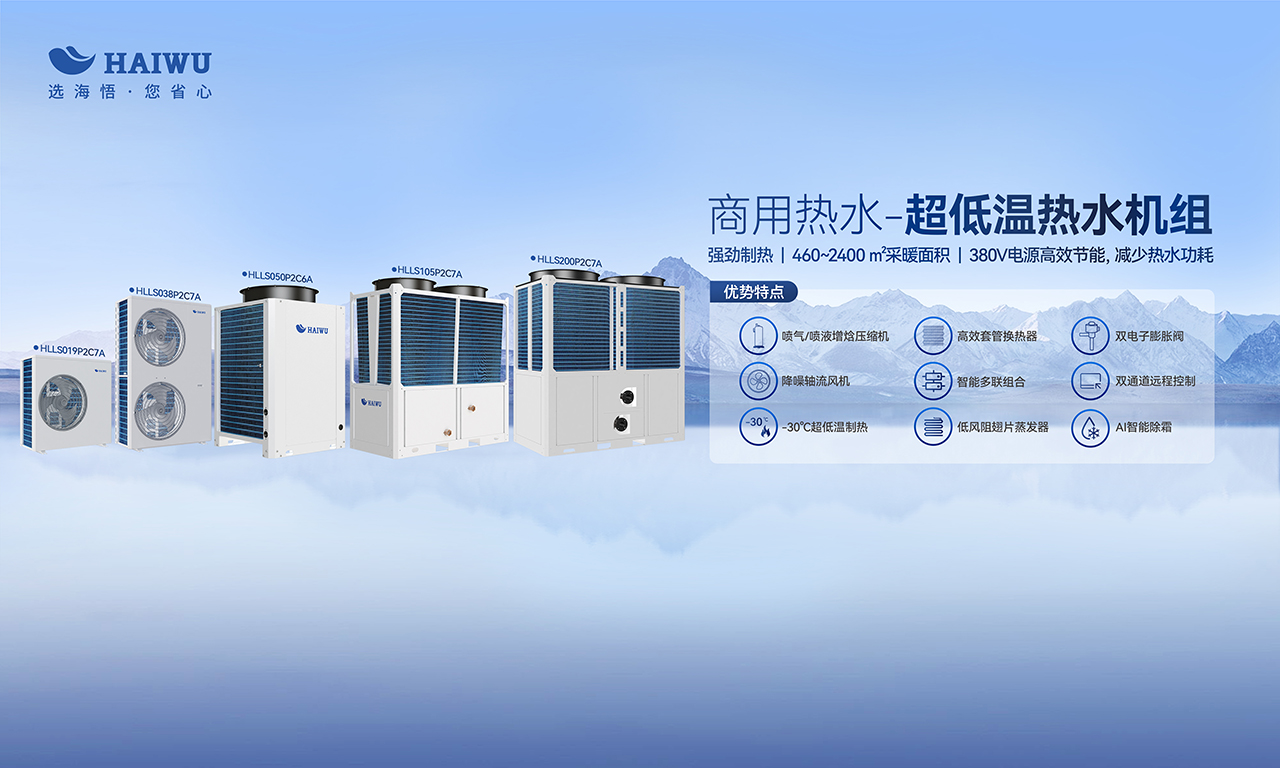
The power consumption of air energy water heaters 24 hours a day is about 2 to 48 degrees, which seems broad, but in fact it is affected by a combination of factors. Ambient temperature, tank volume, set temperature, and the energy efficiency ratio (COP) of the air source heat pump are all key factors in determining power consumption.
2. The mystery of energy efficiency ratio (COP).
Energy Efficiency Ratio (COP) is an important indicator to measure the energy efficiency of air energy water heaters. A high COP means higher energy efficiency, meaning more water can be heated by consuming less electricity. For example, in a hot water supply project in a high-efficiency collective dormitory building, the annual average COP of the air source heat pump hot water unit is about 3.35, and the average COP can be as high as 6.20 under summer working conditions. This means that during the summer months, air energy water heaters are more energy efficient and consume less electricity.
3. Energy consumption calculation examples
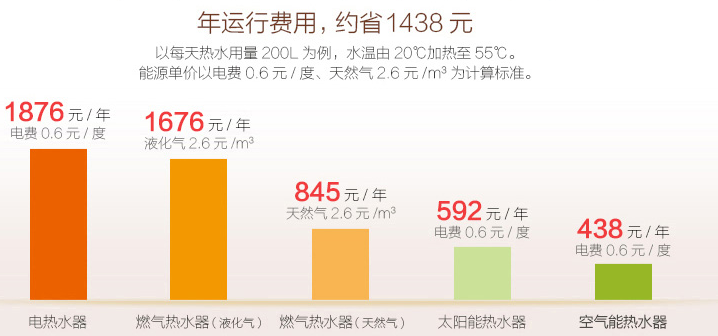
To more intuitively understand the energy-saving effect of air energy water heaters, we can compare the energy consumption of electric water heaters and air energy water heaters. For example, raising the temperature of 100 liters of water from 15°C to 55°C requires an electric water heater to consume 4.65kWh, while an air energy heat pump water heater consumes only 1.3kWh, saving up to 70%. In actual operation, heating one ton of water to the temperature of bathing hot water, the average daily energy consumption of an air source heat pump water heater is only 41.45kWh.
4. Analysis of annual operating energy consumption
Considering the year-round operation of air energy water heaters, their comprehensive energy efficiency (APF) is also an important indicator of energy-saving performance. The average annual comprehensive energy efficiency (APF) of household air source heat pump water heater was 3.76, and the annual operating energy consumption was 358.70kW·h/m². This means that air energy water heaters maintain high energy efficiency levels throughout the year.
5. Estimated power consumption
To estimate the electricity consumption of an air energy water heater 24 hours a day, we can use a simple formula: power consumption = (tank volume× temperature change) / COP. Taking a 150L water tank as an example, assuming heating from 15°C to 55°C, a temperature change of 40°C, and a COP of 3.9, the power consumption is about 1.22kWh (Note: The calculation here is based on the energy consumption of one-time heating, and the actual power consumption will vary). However, this value is for reference only, as air energy water heaters adjust to ambient temperature and system efficiency during actual operation, so power consumption can fluctuate.
6. Conclusion
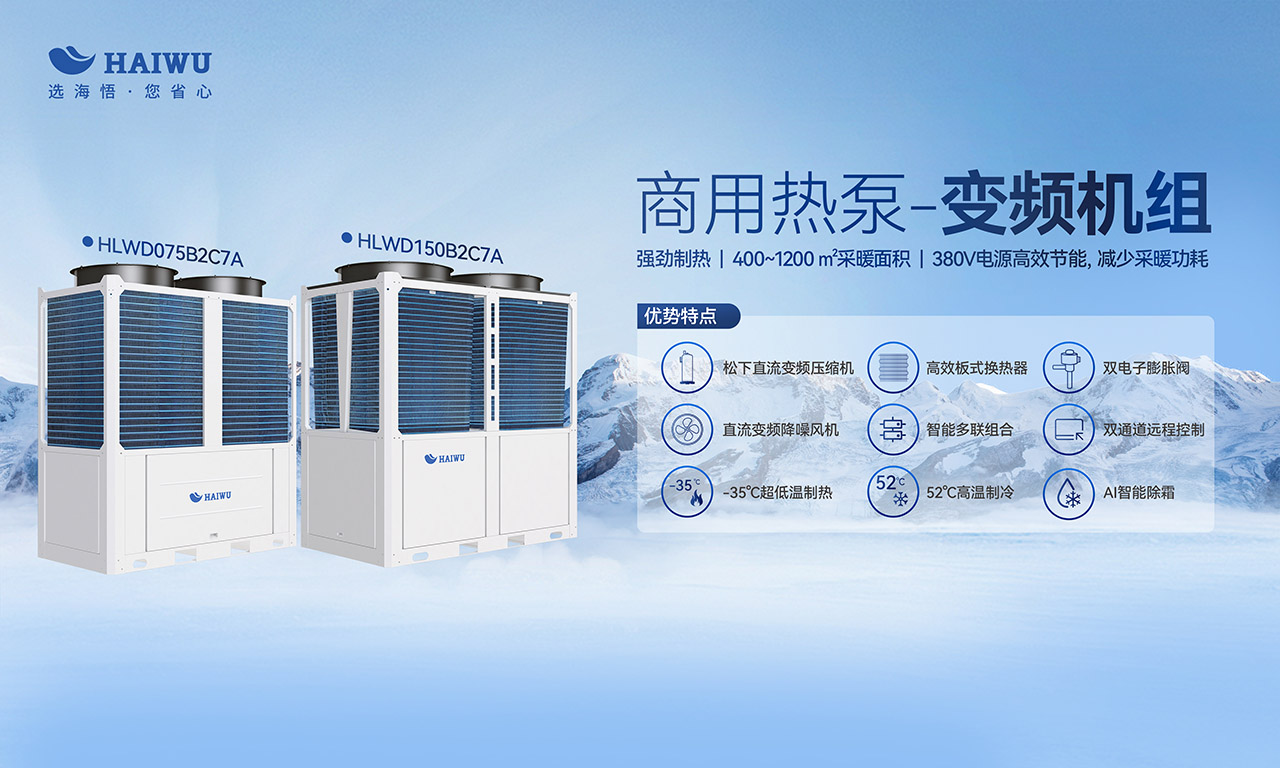
To sum up, the power consumption of air energy water heaters 24 hours a day is affected by multiple factors, and the specific values are difficult to generalize. But regardless, air energy water heaters stand out in their class with their efficient energy-saving performance. Whether for home use or commercial applications, air energy water heaters offer significant energy savings and economic benefits.
Choosing an air energy water heater is choosing a greener, energy-saving and environmentally friendly lifestyle. Let's work together to create a better future and contribute to the sustainable development of the earth!


