


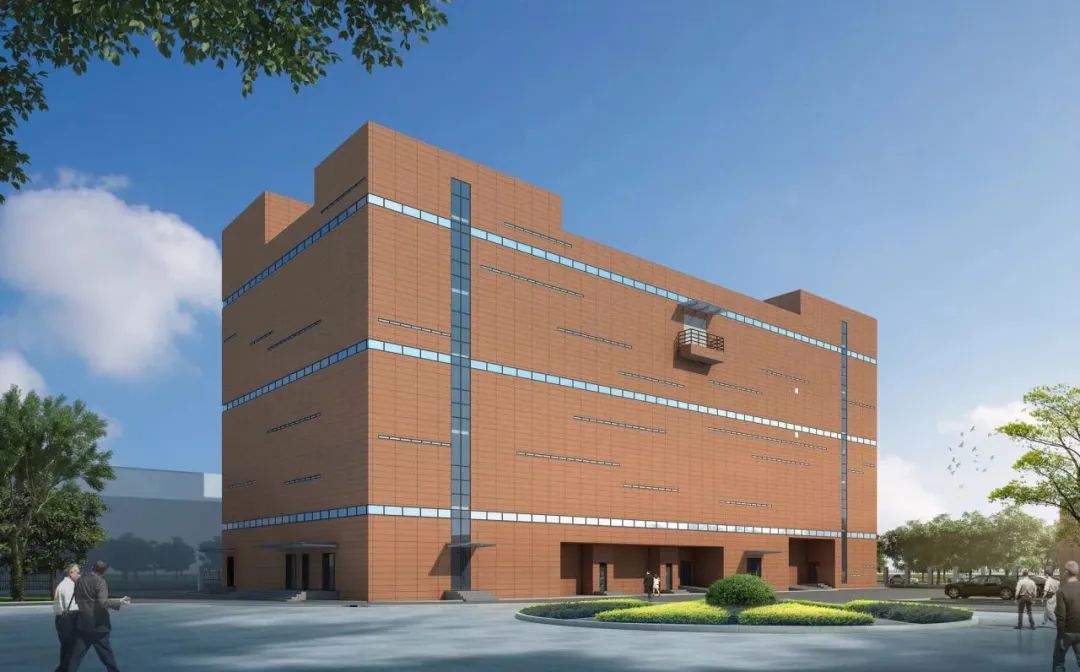
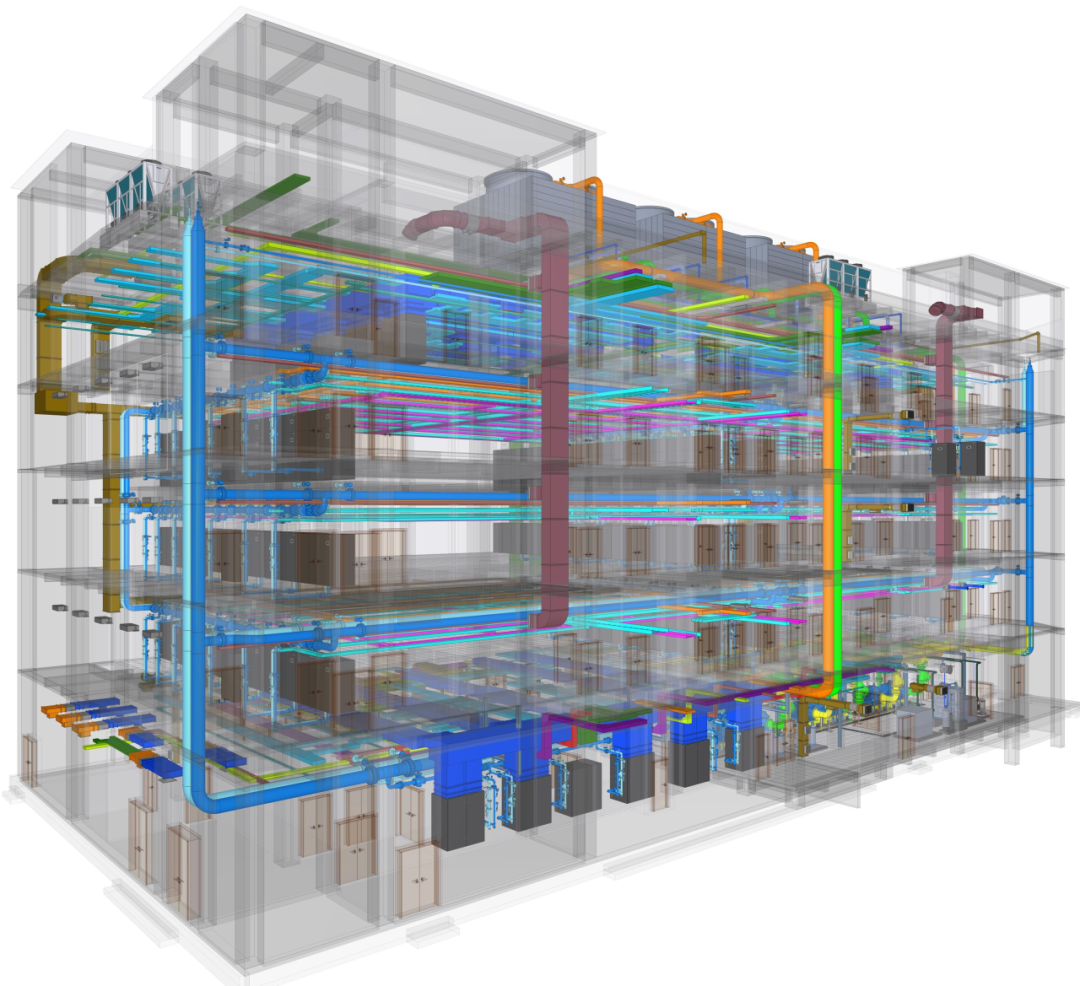
2. Synergy and collaboration:BIM technology provides a platform for centrally managing and sharing project information, promoting collaboration and cooperation among various departments and teams. The technical support team can communicate and share information with designers, engineers, project managers, and other relevant parties in real time to jointly solve technical problems, optimize solutions, and ensure the smooth progress of data center projects.
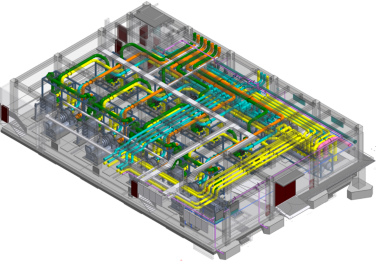
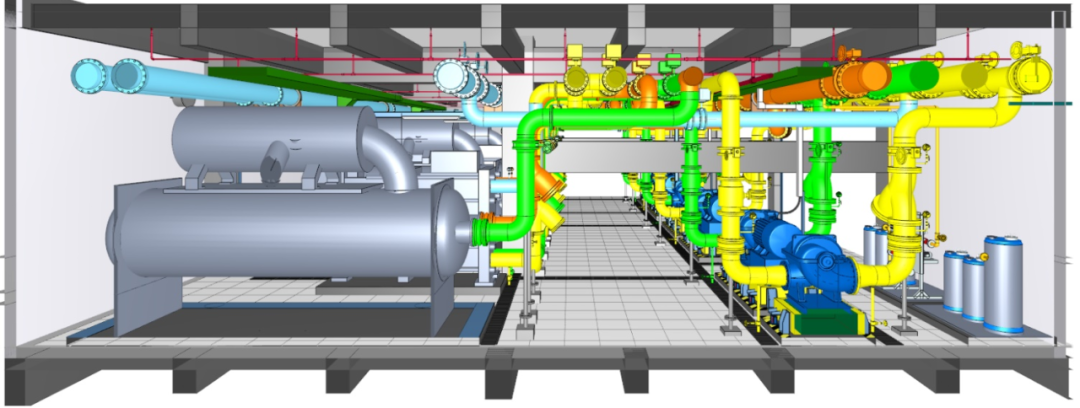
3. Visualization and simulation:BIM technology generates highly visual models and graphs, allowing technical support teams to visualize the structure, equipment, and systems of the data center. This helps to better understand and analyze technical issues, quickly identify potential conflicts and risks, and provide more accurate technical support and solutions.
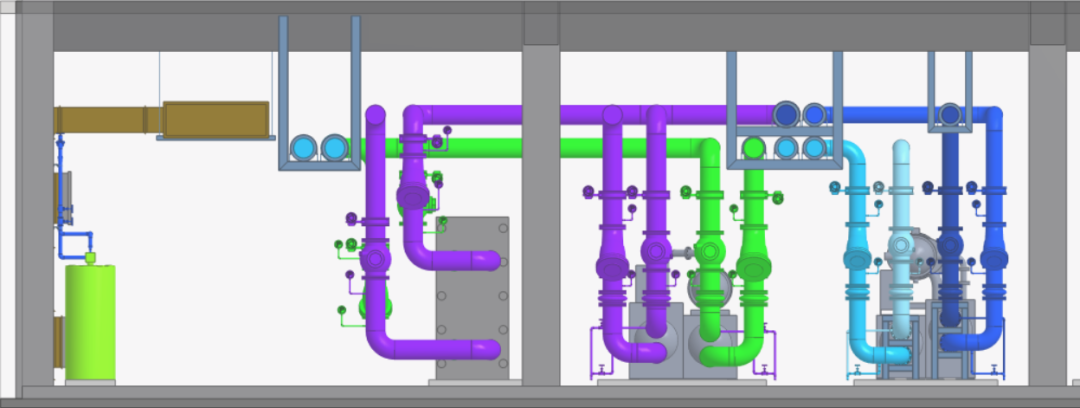
4. Data management and document control:BIM technology provides a platform for centrally managing and controlling data and documents. The technical support team can access and update relevant documents, technical specifications, equipment parameters and other information through the system to ensure data accuracy, consistency and traceability. This helps improve the efficiency and accuracy of technical support efforts, reducing errors and omissions.
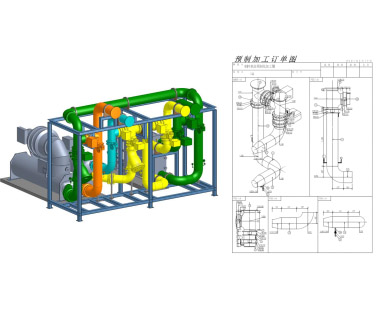
5. Change management and conflict detection:BIM technology helps technical support teams with change management and conflict detection. Through model comparison and analysis, technical problems such as design changes, equipment conflicts, and wiring problems can be discovered and solved in a timely manner. This helps improve the quality and reliability of the project, reducing later corrections and adjustments.
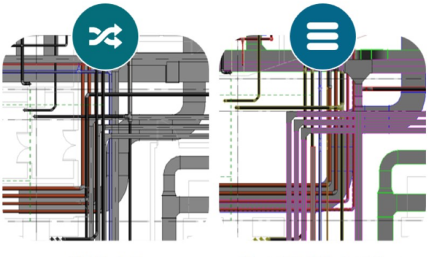
To sum up, BIM technology plays an important role in data center infrastructure technical support. It can provide design and planning support, promote collaboration and cooperation, provide visualization and simulation capabilities, enable data management and document control, and perform change management and conflict detection. By making full use of BIM technology, technical support teams can improve work efficiency and accuracy, ensure project quality, and provide better support for data center operation and maintenance.
CFD (Computational Fluid Dynamics) technology plays an important role in the selection and layout of precision air conditioners in data centers, mainly reflected in the following aspects:
1. Air flow simulation:CFD technology can simulate and analyze the air flow inside a data center. By establishing a virtual computing model, different air conditioning layouts, air duct designs, and air circulation methods can be simulated to evaluate the air flow effect of different schemes. This helps optimize the design of air conditioning systems, ensure proper distribution of hot and cold airflow, and improve air conditioning efficiency and energy consumption management.
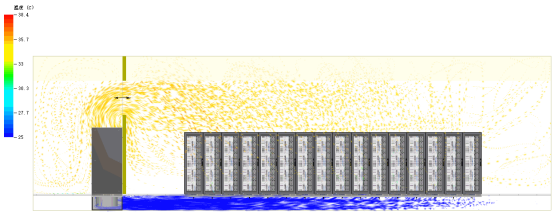
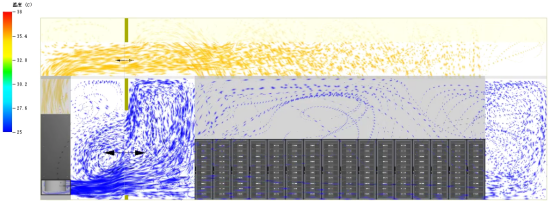
2. Temperature and humidity distribution analysis:CFD technology can simulate and analyze the temperature and humidity distribution inside the data center. By inputting parameters such as data center heat load and room layout, temperature and humidity changes in different locations can be predicted and evaluated. This helps determine the appropriate air conditioning location, air duct design, and heat dissipation method, improve the temperature and humidity control capabilities of the data center, and ensure the normal operation of the equipment.
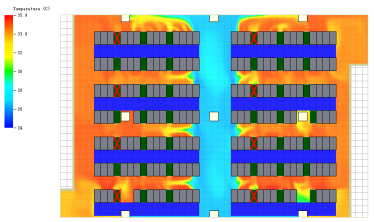
3. Optimization of hot and cold air ducts:CFD technology can help optimize the design of hot and cold air ducts in data centers. By simulating and analyzing factors such as air flow, pressure drop, and temperature distribution, the effectiveness of different air duct layouts and ventilation methods can be evaluated. This helps reduce conflicts, dead spots, and air leakage issues in hot and cold air ducts.
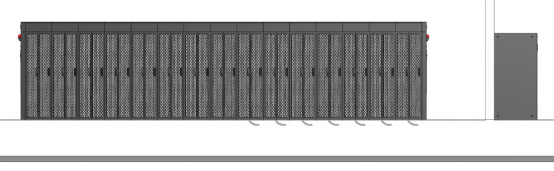
4. Energy consumption assessment and optimization:CFD technology can be used to assess and optimize energy consumption in data centers. By simulating and analyzing factors such as the operating effect of the air conditioning system, the distribution of hot and cold airflow, and energy loss, the energy consumption level of different design schemes can be quantified. This helps to select more energy-efficient air conditioning equipment, optimize the operating parameters of the air conditioning system, and reduce energy consumption costs in the data center.
To sum up, CFD technology plays an important role in the selection and layout of precision air conditioners in data centers. It can simulate and analyze key factors such as air flow, temperature and humidity distribution, and optimization of hot and cold air ducts, helping to optimize the design and operation of air conditioning systems, improve temperature and humidity control capabilities, reduce energy consumption, and improve data center performance and reliability.


