


The source of energy in the cosmic age
2021 is the first year of the metaverse, after which we enter the metaverse era, and although it is only a concept, its future will connect our entire world. The most worthwhile question for us to think about in the metaverse is: where does its "energy" or "power" come from?
For example, electric energy, electric energy is the main driving force to support the metaverse data center, without electricity, everything is empty talk.
At present, our country's main electricity is thermal power (coal power and gas power), hydropower (hydropower and pumped storage), wind power, solar energy (photovoltaic and solar thermal), and biomass.
Nuclear fusion, the energy of nuclear fusion comes to the earth through solar radiation, so most of our energy is nuclear fusion of the sun.
In addition to energy from the sun, there are other energy sources on Earth, such as geothermal, man-made nuclear energy (nuclear fission and controlled nuclear fusion), tidal energy, etc.
Understanding the source of energy, let's talk about the metaverse's dependence on energy. The metaverse is a virtual reality scene that can be connected on a large scale. We are currently in the initial stage of the metaverse, and it will take at least 10 years to realize the basic scenario of the metaverse, which will completely change our way of life around 2030.
Where is the metaverse headed in the future? We can't predict, but it is foreseeable that "computing power" will gradually become as important as "electricity" and "hydropower". The foundation of computing power is the metaverse data center, and the power of the data center is green power, so where does green power come from? This is a strategic question for the future.
Since the birth of the metaverse in 2021, there are growing signs that the metaverse is expected to become The next one is strategic The field of competition。
The metaverse requires powerful computing power and therefore requires a large number of data centers to support it.
The data center of the metaverse includes large computing data centers and small edge data centers. And our current data center does not have this level of computing power.By 2030, every environment, object, and avatar in the metaverse will be digitally residing in a data center that reliably delivers this immersive experience to everyone who wants to participate at the same time with low latency. Edge computing can bring applications and data as close to users as possible, which is the local computing power required for a seamless experience in the metaverse, which can well solve network latency and congestion risks.
By 2030, a large number of metaverses Edge data centers will be born on demand, and the power demand will be huge.
According to the current situation, by 2030, the annual electricity consumption of data centers across the country will exceed 600 billion kWh, accounting for 5.5% of our country's total electricity consumption.
The high energy consumption of metaverse data centers makes us constantly seek energy-saving and consumption reduction solutions. Liquid cooling combined with natural cooling and other technologies will become the main cooling method of metaverse data centers, and liquid cooling data centers will support the development of metaverse and other applications. By 2030, the power density of the edge data center of the metaverse will reach 50~100 kilowatts, and the liquid cooling scenario will be perfectly integrated with high-performance servers and data centers PUE will drop below 1.1. Waste heat recovery technology will be fully popularized in data centers, through heat recovery to reuse the waste heat of the data center, the comprehensive PUE of the data center is less than 1, or even reaches about 0.5, the data center will achieve zero water consumption and zero carbonCompletely adopt green power supply.
The "power metaverse" of the metaverse
Under the general trend of energy transformation, by 2030, the main body of our country's power energy structure is no longer coal and oil, but innovative and developed new energy, including new energy minerals, scientific innovation of new materials, etc., and "nuclear energy" will become one of the main energy sources of computing power data centers.
After 2030, nuclear energy will gradually develop into the main force of green energy. In addition to solar photovoltaics and solar heat, wind energy and hydro energy are all nuclear fusion energy from the sun. They are clean, low-carbon, and renewable. The other is human controlled nuclear fusion, that is, the artificial sun. At present, our country's nuclear power relies on uranium fission to produce nuclear power, our country's existing uranium ore reserves will support nuclear power until about 2030, and then the thorium-based molten salt reactor nuclear power plant will replace the uranium nuclear power plant, continue to support the super power in the metaverse era, by about 2045, the "artificial sun" controlled nuclear fusion will begin to be put into commercial application, and by 2050, nuclear power will reach about 16% of our country's main power body.
In 2030, nuclear power will account for about 10% of our country's electricity mainstay, and solar energy, wind energy, and hydropower will account for about 56% of our country's energy mix, and fossil energy power will be reduced to 44%. However, in 2022, 65% of our country's electricity energy will still be thermal power generation, that is, the energy structure dominated by fossil energy.
According to 2022 data, our country's energy intensity is more than 1.3 times the world average. In layman's terms, world GDP generates $1The electricity that needs to be consumed is 1 kilowatt-hour of electricity, and the electricity that needs to be consumed to generate 1 US dollar of our country's GDP is more than 1.3 kilowatt-hours. If we can reduce energy intensity from 1.3 to 1.0 by 2030, it means that our country's annual electricity consumption can be reduced by 30% while GDP remains unchanged. Reducing energy intensity is mainly through industrial restructuring, technological progress, enterprise management and corporate culture construction.
The core of the implementation path of the dual carbon goal lies in two constructions: one is to build a clean, low-carbon, safe and efficient energy system; The second is to build a new power system with new energy as the main body. That is, our country should focus on reducing the total amount of fossil energy in the future, focusing on improving energy utilization efficiency, implementing renewable energy substitution, and deepening the reform of the power system. For example, the vertical integration of "source, grid, load and storage", horizontal multi-energy complementarity, integrating renewable energy (especially wind energy and solar energy) with smart grid and various energy storage technologies, so that the power system has flexible and balanced functions to achieve high-quality power output, which is the smart grid.
With the guarantee of smart grid, by 2030, our country's overall electricity demand will be about 11 trillion kWh, 56% of which will be clean energy, of which wind power accounts for 22%, solar energy accounts for 8%, hydropower accounts for 14%, nuclear power accounts for 10%, and biomass energy accounts for 2%, which can ensure that the data center field will achieve carbon neutrality by 2030.
The metaverse of our country's smart grid is currently improving and maturing, and is expected to play a huge role around 2030. The power dispatching metaverse will integrate cloud computing, Internet of Things, digital twins, artificial intelligence, human-computer interaction and other technologies to build a metaverse technology system, create a digital command space for multi-level scheduling and collaborative cooperation, and explore the new development trend of power dispatching automation technology system. In the power dispatching metaverse, multi-element objects such as power grid physical entities, abstract entities, and "digital twins" will be virtually constructed, information sharing, and interactive symbiosis.
As an innovative digital platform, the power dispatching metaverse will bring the following significance to our country's power grid:
(1) Intelligent scheduling level. By fully perceiving, analyzing, and optimizing the grid through artificial intelligence, the power supply to end users and data centers will be very stable without worrying about power interruptions.
(2) Power collaborative dispatching capabilities. By building a digital command space with multi-level scheduling and collaborative cooperation, it has the ability to flexibly supply power across regions, multiple power plants, multiple paths, and long distances, which can cope with risks caused by natural disasters and wars, and ensure the reliable supply of power in the data center.
(3) Early warning capabilities. By establishing a digital twin model that is updated synchronously with the real world, timely early warning and effective prevention and control of power grid operation risks can be realized, and the robustness of the power grid can be enhanced.
With the power metaverse, our country will achieve 100% automation on the smart grid, and by 2050, our country's society will enter the era of high artificial intelligence, and our country's social electricity consumption will about double to 15 trillion kWh. 90% of the electricity will be new energy. All thanks to the "power metaverse"!
"Witty" cooling of metaverse data centers
In 2022, our country's total social carbon emissions will be about 10.6 billion tons, and the total carbon emissions of data centers will be about 166 million tons, accounting for about 1.56%, in the current policy context of 2023, our country's data centers will focus on solving the problem of energy and water consumption, and the data center industry will also face stricter energy control. Driven by the "dual carbon" policy and large computing power applications such as artificial intelligence Chat GPT, data centers after 2023 will gradually show the following four trends:
(1) Zero water consumption and low energy consumption are the standard
In 2022, our country's data center power consumption accounted for 3.24% of the national electricity consumption, and it is expected that by 2030, the electricity consumption of metaverse data centers will exceed 600 billion kWh, accounting for 5.5% of the total electricity consumption of society. Data centers will continue to take measures to self-monitor and save energy, and will increasingly prefer zero-water cooling solutions, with water cooling systems being replaced by fluorine systems with efficient technology. From 2023 to 2025, water system cooling will gradually withdraw, and fluorine systems will be replaced, such as PHU integral fluorine pump units, magnetic levitation phase change multi-link systems, etc.
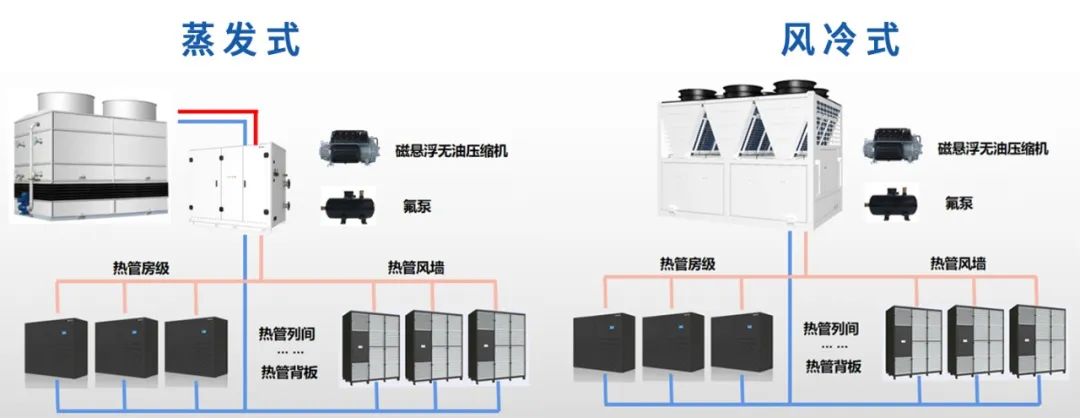
These new fluorine system units are simple and low-maintenance, not only have zero water consumption, but also can achieve a PUE of less than 1.2, which can be used as a transition solution in the near future. However, with the increase in power density of data centers such as the metaverse, after 2025, cooling technology based on cold plate liquid cooling and immersion liquid cooling will become the main cooling solution for metaverse data centers.
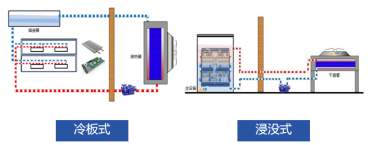
In the large-scale computing power data center, phase change immersion liquid cooling technology will be used to cool the super computing power modules.
(2) Scenario characteristics of rapid integration of industrialization
Industrialized integrated data centers will be the main feature of all data centers in the future. Because the future data center needs to be integrated into actual scenarios in a short period of time and quickly put into application, to realize the rapid docking and deployment of power, cooling, computing and other modules, the power, refrigeration, and computing power modules need to be tested and packaged in the factory to reduce on-site work and dependence on the environment.
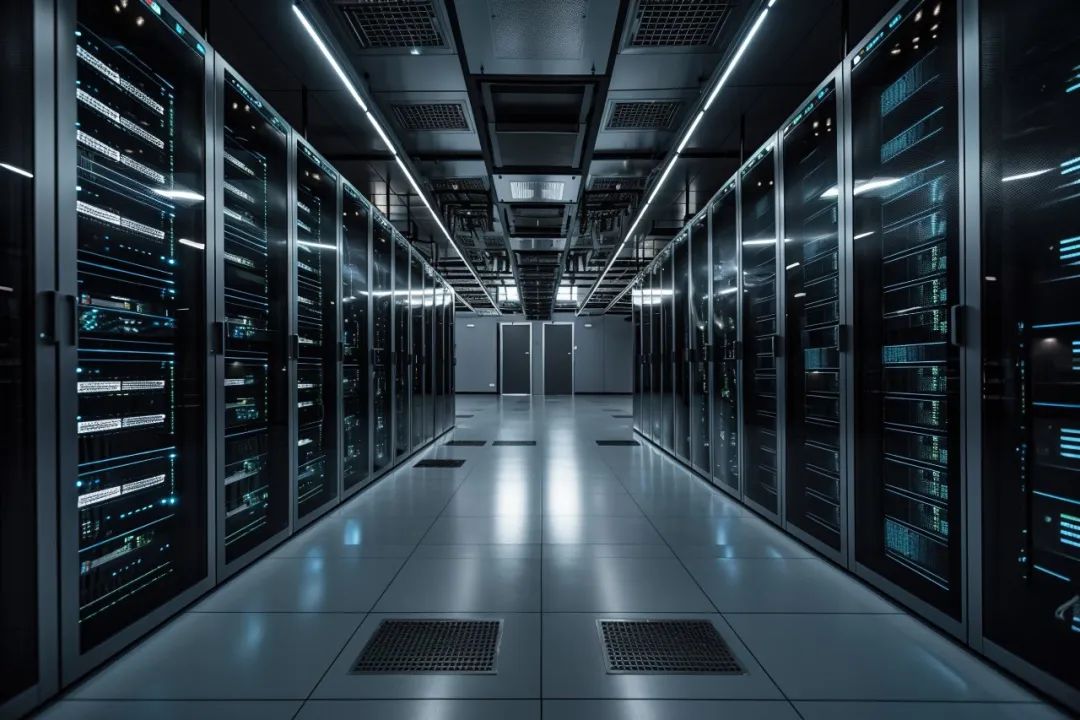
The data room of the large-scale computing power center still uses steel structure industrialized prefabrication as the main building form to achieve rapid deployment, delivery, and arbitrary expansion, such as Haiwu's micro-model square.
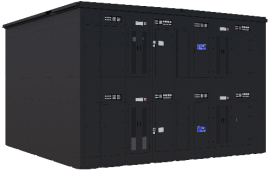
Compared with the original traditional data center, its internal IT cabinets will be dominated by higher-power liquid-cooled servers. The industrial prefabricated edge data center is very dependent on the external environment, but it is deployed according to the needs of the scenario, and can be reduced to less than 15 days from production to delivery, such as containers, submarine capsules, assembled prefabricated prefabricated houses, etc., to meet the needs of rapid landing and rapid adaptation, not dependent on the scene environment, easy to recycle, and minimal environmental pollution.
(3) "Hydrogen" clean energy is everywhere
By 2030, the energy storage system represented by hydrogen will gradually replace the existing diesel generator system in the data center, and in the future, the data center will use hydrogen energy storage as the main backup energy solution to ensure backup power, including new battery technologies, such as hydrogen fuel cells.
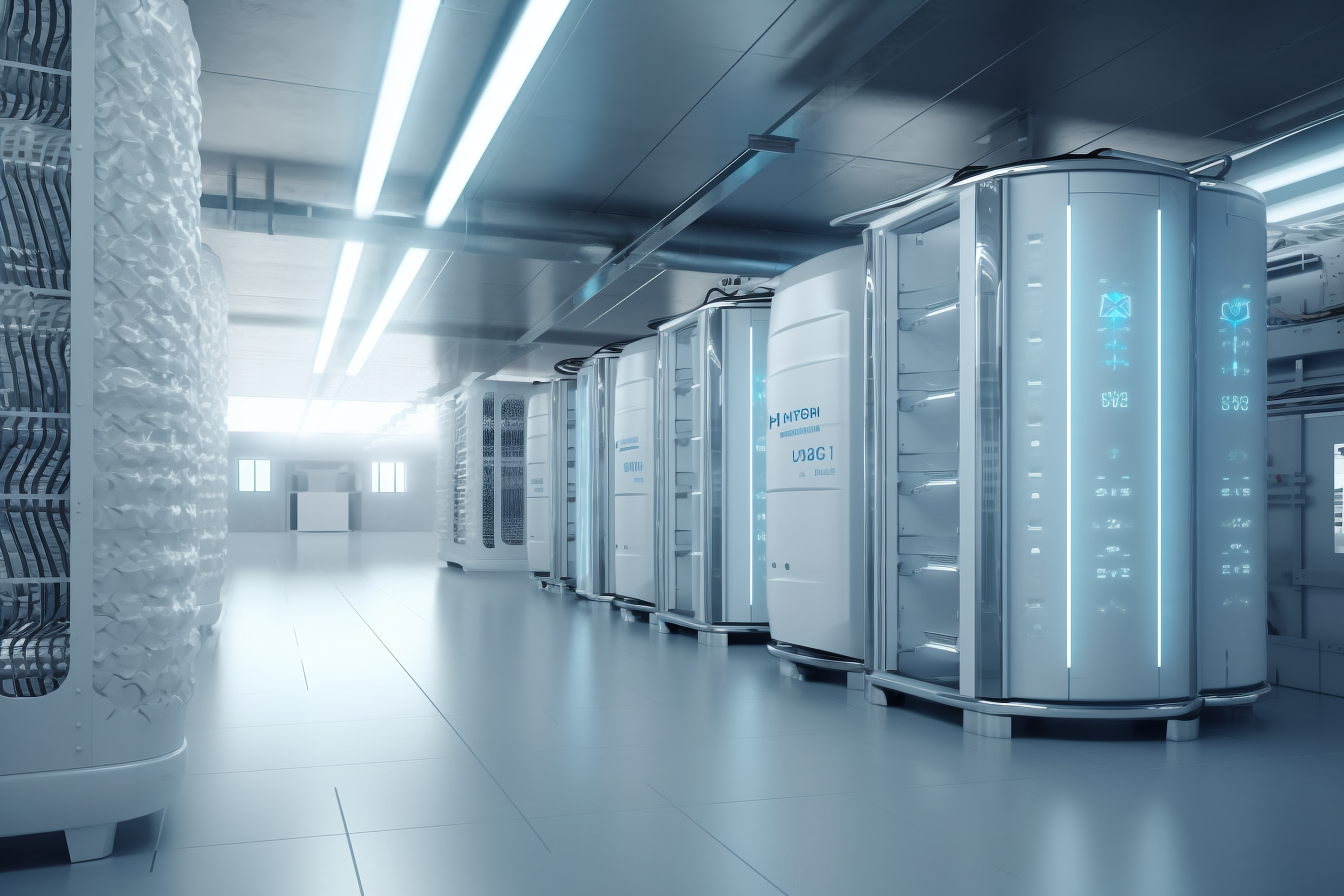
In March 2022, the National Development and Reform Commission and the Energy Bureau jointly issued the "Medium and Long-term Plan for the Development of the Hydrogen Energy Industry (2021-2035)", which clarified that hydrogen energy is an integral part of the future national energy system, give full play to the clean and low-carbon characteristics of hydrogen energy, and promote the green and low-carbon transformation of energy-consuming terminals and high-energy-consuming and high-emission industries.
The implementation of the metaverse is to utilize 5G networks to achieve ultra-low latency capabilities. This will require higher power computing at the 5G edge location, and edge data centers will become important computing power guarantee facilities, and on-site energy storage power will become the guarantee of reliable power supply. Hydrogen energy will become a key direction for strategic emerging industries, and in the field of data centers, hydrogen fuel cells will initially function like diesel generators, providing instantaneous load support and even continuous operation. Wider deployment will be carried out from 2025 to 2030.
In addition, in addition to hydrogen energy, lithium battery technology will also be deployed in the metaverse edge data center as an uninterruptible power supply system in the transition stage, providing continuous power guarantee for the data center.
(4) Liquid cooling is widely used in practical scenarios
By 2030, the power density of most data centers will exceed 50 kilowatts, and large and edge data centers will adopt technologies such as phase change cold plate liquid cooling and immersion phase change liquid cooling with extremely high heat transfer efficiency, and the PUE of all data centers can reach between 1.05~1.1. The cabinets of large data centers will be dominated by liquid-cooled tanks, the liquid-cooled servers of super computing power will support a coolant temperature of 80°C, and the external pipelines of computing power tanks have the ability to provide heating services to the periphery.
Cabinets in edge data centers will generally use high-performance servers integrated with phase-change cold plates. Phase change cold plate technology will become the mainstream technology for cold plate liquid cooling, which not only has high heat transfer efficiency, but also makes the system simple and easy to deploy on a large scale.
For example, submarine data center cabins will be deployed on a large scale along the coast, and submarine data centers will be deployed in large numbers in Guangdong, Fujian, and Shandong, playing an increasingly important role and bringing more benefits to the metaverse. Submarine data centers save electricity, water, and land, and can fully use seawater to achieve natural cooling throughout the year, and then match with inverter pumps, air conditioning group control and other technologies, which can reduce the overall PUE to less than 1.1, which is a strong trend in the green development of data centers in coastal areas.
In addition, more and more river water full-time cooling data centers will be built near dams, lakes and other areas, directly using the Yangtze River or lake water for full-time direct cooling, PUE can be reduced to less than 1.1, and the computer room near the dam can also use the direct power supply of the dam, and the river water full-time cooling data center will be designed to be water-free, all-green electricity, and near-natural cooling source, which is an ideal solution for the present and future.
Zero-carbon data centers will continue to be "beautiful" without any limits
By 2030, 71% of our country's population will live in urban areas. Metaverse smart cities will deploy technologies such as artificial intelligence and the Internet of Things for various applications, which will create a large amount of data while communicating with each other, so from now until that time it is necessary to optimize and upgrade facilities such as health, transportation, safety, energy distribution, etc., and it is necessary to effectively integrate advanced technologies to ensure the smooth operation and uninterrupted connection of data centers. This places high demands on low-latency processing and real-time automated decision-making solutions, as well as the proliferation of online video streaming, with edge data centers expected to reach their maximum volume around 2030.
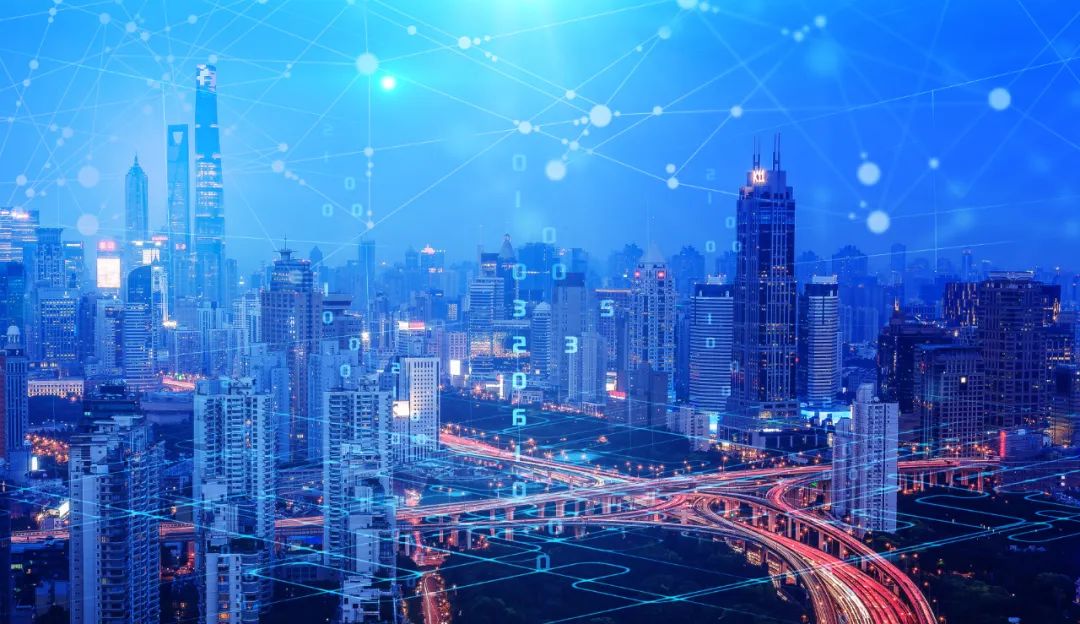
At that time, more and more companies connected their devices and systems to the Internet to achieve more efficient production and operations. As a result, edge data centers provide enterprises with a faster, more reliable, and secure data processing solution.
Edge data centers are born to support the development of new 5G services with lower latency, and through edge data centers, the IT resources of cloud data centers are migrated closer to the user side, which will be closer to the data source and facilitate data processing. For example: intelligent driving car business, telemedicine business, etc.
Such a huge number of data centers will surely produce a strong power supply system, all data centers will achieve carbon neutrality in 2030, and the PUE is basically controlled within 1.1, the PUE of large computing power centers will be about 1.05, and some data centers will use heat recovery according to regional needs, and the PUE can be controlled at about 0.5.
Powerful virtual power plants will provide clean electricity for data centers, wind power and solar power will play a huge role, wind power is composed of onshore wind power and offshore wind power, solar energy is mainly photovoltaic and solar thermal power plants, photovoltaic is mainly onshore photovoltaic and sea photovoltaics, and space solar power plants have also begun to be integrated into the power grid.
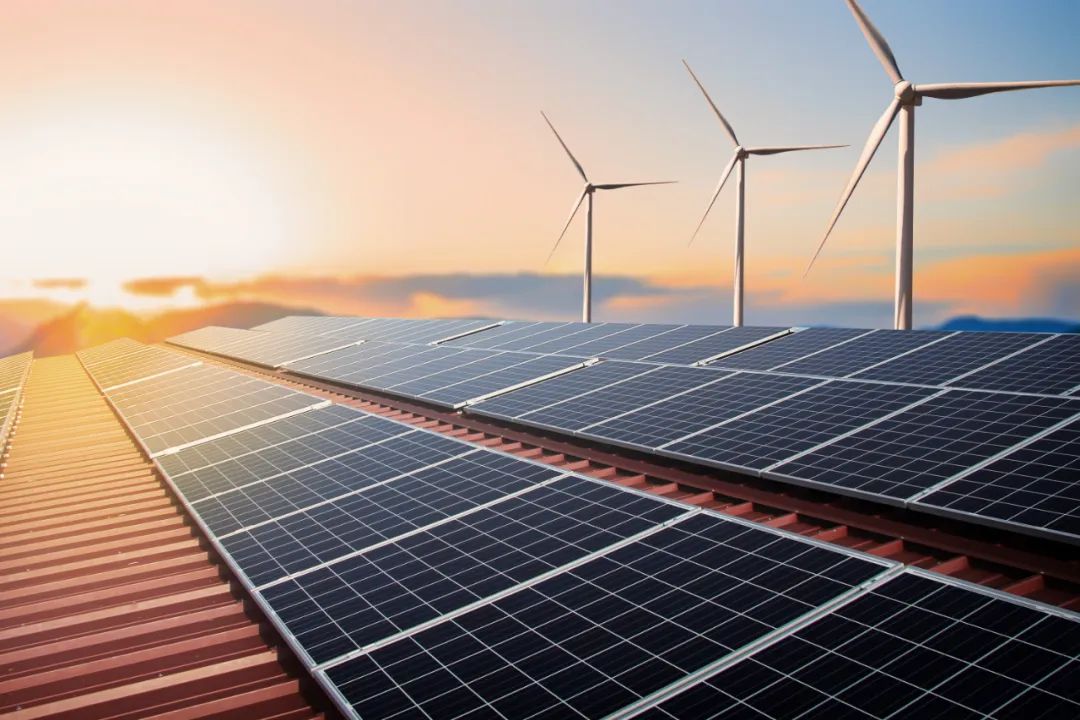
In order to achieve carbon neutrality, our country must increase investment in new energy, especially wind energy and solar energy, according to our country's current dual carbon action policy, it is expected that by 2050, our country's social wind power will account for about 40%, solar energy will account for 23%, and solar energy and wind energy will account for 63% of social energy and electricity.
Let's imagine, what will the development of digital energy in our country look like in 2050? Wind energy, solar energy, hydroelectric power and nuclear power will become the main energy force, and hydrogen energy driverless vehicles will be popularized on a large scale, and every household is equipped with solar power generation and energy storage systems, basically relying on solar energy self-sufficiency. Landing on the moon and going to Mars is no longer new, and space solar power generation technology has matured and been deployed in large numbers.
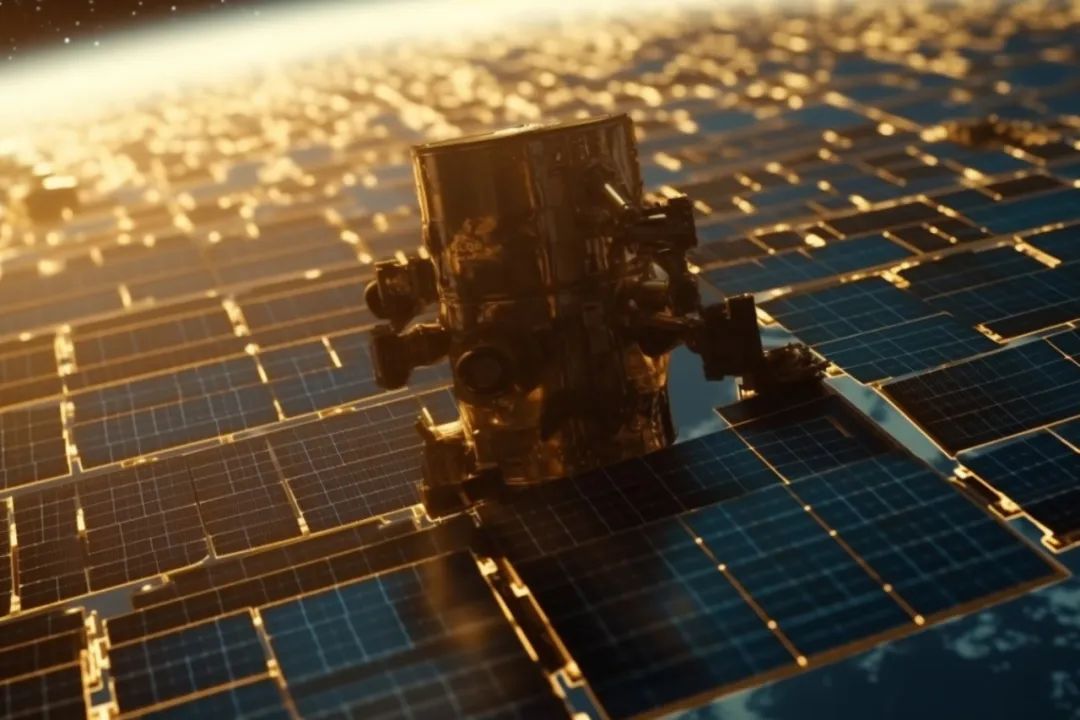
Quantum computers have entered many fields and have begun to become popular, with photonic chips gradually replacing silicon-based chips, and every home has a bionic robot. The metaverse is close to reality, and you can study and work in the metaverse for 8 hours a day, are you looking forward to it?
And what supports all this is the computing power and electricity of the data center, the source of energy in the metaverse!


