


1. Innovation of air energy heating
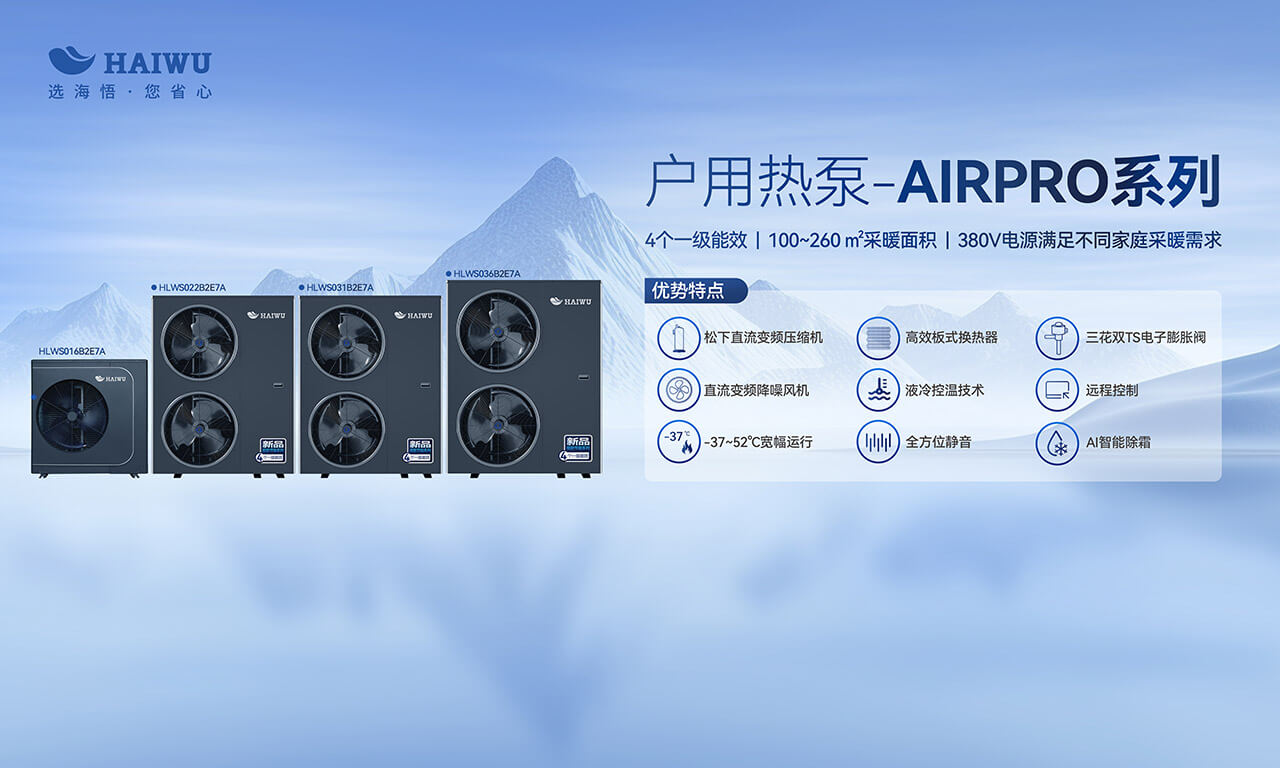
Air energy heating technology, as a major breakthrough in green energy applications, cleverly utilizes air heat energy ubiquitous in nature. Even in the harsh winter, the air is still rich in heat energy, far beyond the zero limit. This technology "captures" and "transports" the heat energy in the outdoor low-temperature air to the room through an advanced air energy heating system, which is efficiently compressed and lifted by the compressor, and then gently released into the indoor space with the help of a heat exchanger, creating a warm living environment. This process abandons the combustion method of traditional heating, significantly reduces carbon emissions, and achieves environmentally friendly protection. What's more worth mentioning is that the integrated heat recovery technology further improves the comprehensive utilization rate of energy, so that every bit of heat energy can be used to the best of its ability.
2. The mystery of air cooling
Air energy refrigeration technology interprets the wisdom of modern refrigeration science with its unique four-component circulation system - compressor, condenser, expansion valve and evaporator. When working, the compressor serves as the power core, sucking in and pressurizing the refrigerant gas at low temperature and low pressure, and converts it into a gas state with high temperature and high pressure. Subsequently, this "heat wave" enters the condenser, and with the help of the external environment or fans, it quickly releases heat and cools and condenses into a liquid state. Immediately afterwards, the liquid refrigerant evaporates sharply under the "pressure reduction" of the expansion valve, absorbing a large amount of heat energy around it and achieving a sudden drop in its own temperature. Eventually, this low-temperature and low-pressure refrigerant enters the evaporator, exchanges heat with the indoor air, absorbs indoor heat, achieves a cooling effect, and is re-converted into a gaseous state, ready for the next circulation journey. This series of physical changes subtly transfers heat from the air to the outdoors, achieving coolness and comfort indoors.
3. Significant advantages of air heating
- Excellent comfort: Air energy heating takes the water system as the core, and transmits heat through various methods such as floor heating, fan coils or radiators, especially floor heating, with its bottom-up warm radiation, creating a natural and uniform indoor temperature environment, no dry hot air, especially suitable for the elderly and children, greatly improving living comfort.
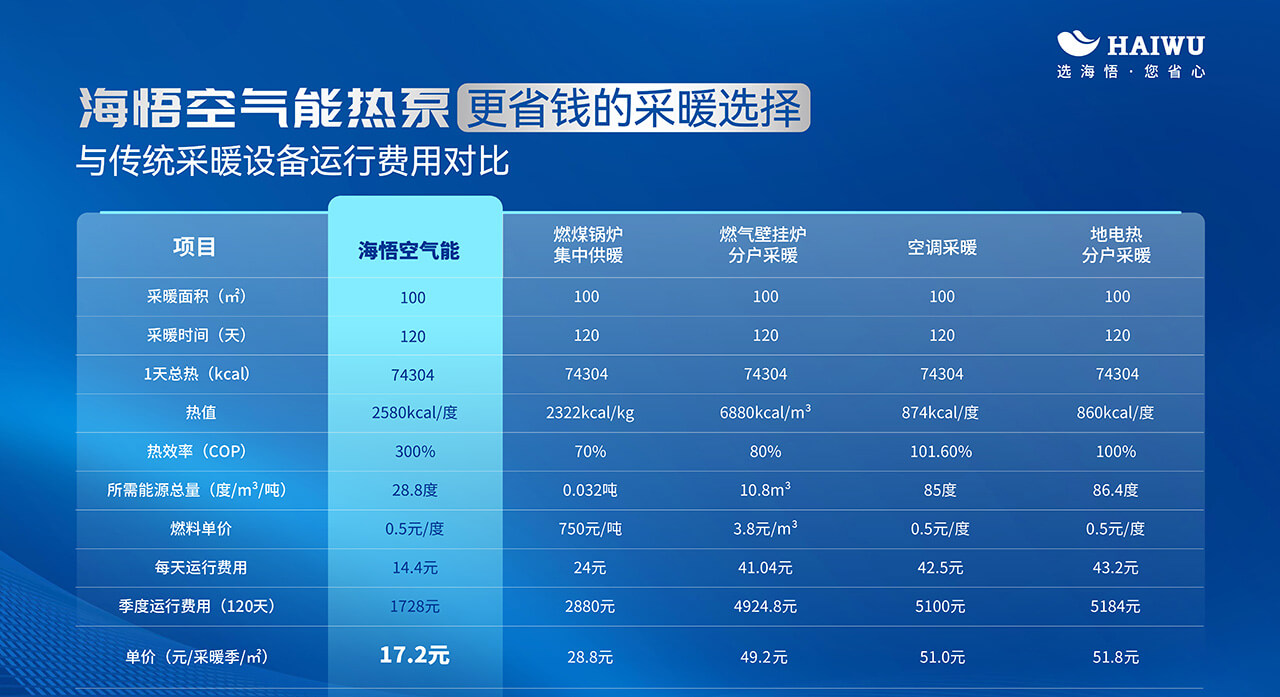
- High efficiency and energy saving: Compared with traditional electric heating methods, air energy heating achieves low power consumption and high heat production through advanced energy conversion technology, and one degree of electricity can generate heat energy far beyond direct heating, greatly reducing operating costs, and is a model of energy conservation and emission reduction.
- Ultra-long service life: The core components of air energy heating equipment have a design life of more than 15 years, and have a good ability to cope with power aging and scale problems, supplemented by regular maintenance, which can extend its service life and bring long-term stable heating guarantee to users.
- Green environmental protection and safety: No need to rely on fossil fuels such as natural gas and coal, air energy heating achieves zero emissions, no open flames, and no pollution, creating a fresh and safe living environment for families and communities, which is an ideal choice for green life in modern society.
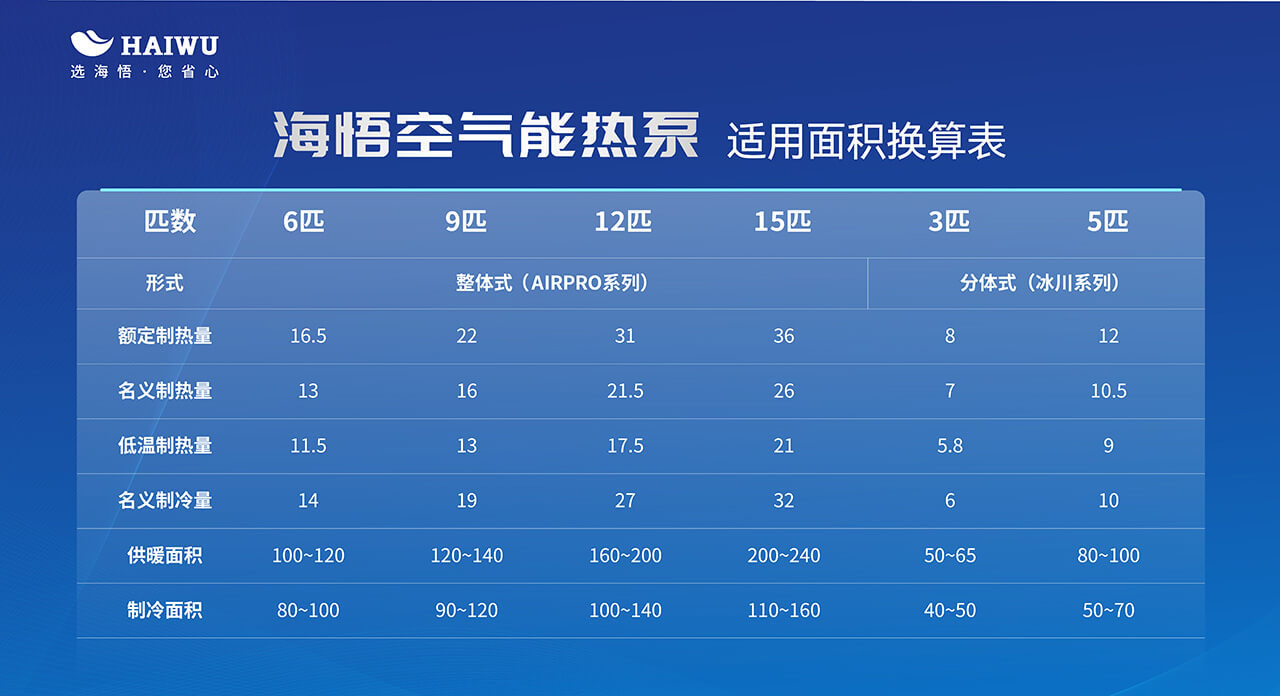
To sum up, the wide application of air energy technology in the field of heating and cooling not only demonstrates its technical advantages in high efficiency and energy saving, but also makes positive contributions to improving the quality of life and ensuring environmental safety, which is an indispensable and important element of green life in the future.


