


BIM is a digital tool and comprehensive management platform that provides comprehensive support for construction projects. We will delve into the application of BIM in the design, construction, and operation phases, discussing its benefits, challenges, and prospects in the future of construction.
With the continuous development of technology, the construction industry is moving towards the digital age at an unprecedented rate. Building Information Modelling (BIM) is a cutting-edge technology that is leading the digital revolution in the construction industry of the future. BIM is an integrated process that creates a comprehensive database related to construction projects by combining physical and functional features with digital representations. This article will delve into the application areas of BIM and its importance in the construction industry.
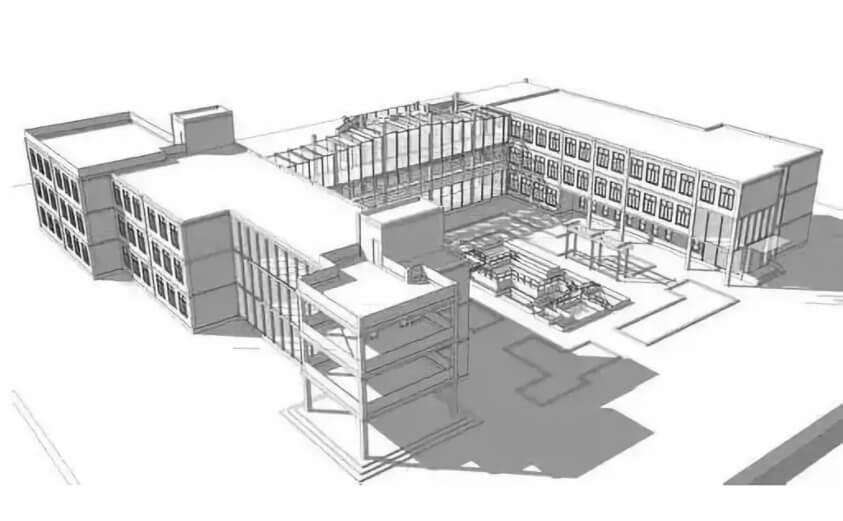
What is BIM?
Building Information Modeling (BIM) is a digital tool based on 3D models that is used to coordinate and manage various aspects of a construction project. It is not only a three-dimensional model, but also contains information on the properties of architectural elements, such as size, material, cost, etc. The key feature of BIM is that it is a visual, collaborative, and manageable platform that connects different stakeholders such as designers, construction crews, and owners, facilitating information sharing and collaborative work.
Advantages of BIM:
1. Collaboration and communication
BIM technology can integrate traditional architectural design and construction models, providing an efficient collaboration and communication platform to support staff from different specialties and stages to communicate and communicate in digital models.
2. High efficiency and precision
Through BIM technology, accurate and reusable models can be quickly created, multiple approvals and inspections can be carried out, reducing design errors and duplication of work, and greatly improving efficiency and accuracy.
3. Data visualization
The digital model of BIM technology can perform physical simulation and analysis, provide data with high integrity and connectivity, realize data visualization, and help designers and decision-makers better judge and analyze data.
4. Reduce costs
BIM technology can significantly reduce costs, reduce errors and alterations, greatly improve efficiency and accuracy, and improve sustainability and ecological protection in building design and construction.


