


In today's rapidly evolving technology, air conditioners are not just comfortable equipment in homes and offices, but have become the core equipment that ensures the operation of critical infrastructure. The design and functional differences between precision air conditioners and ordinary air conditioners are related to the progress of technology and the professionalism of application. This article will detail the key differences between the two, helping you understand why precision air conditioners are irreplaceable in specific environments.
1. Design purpose and application environment
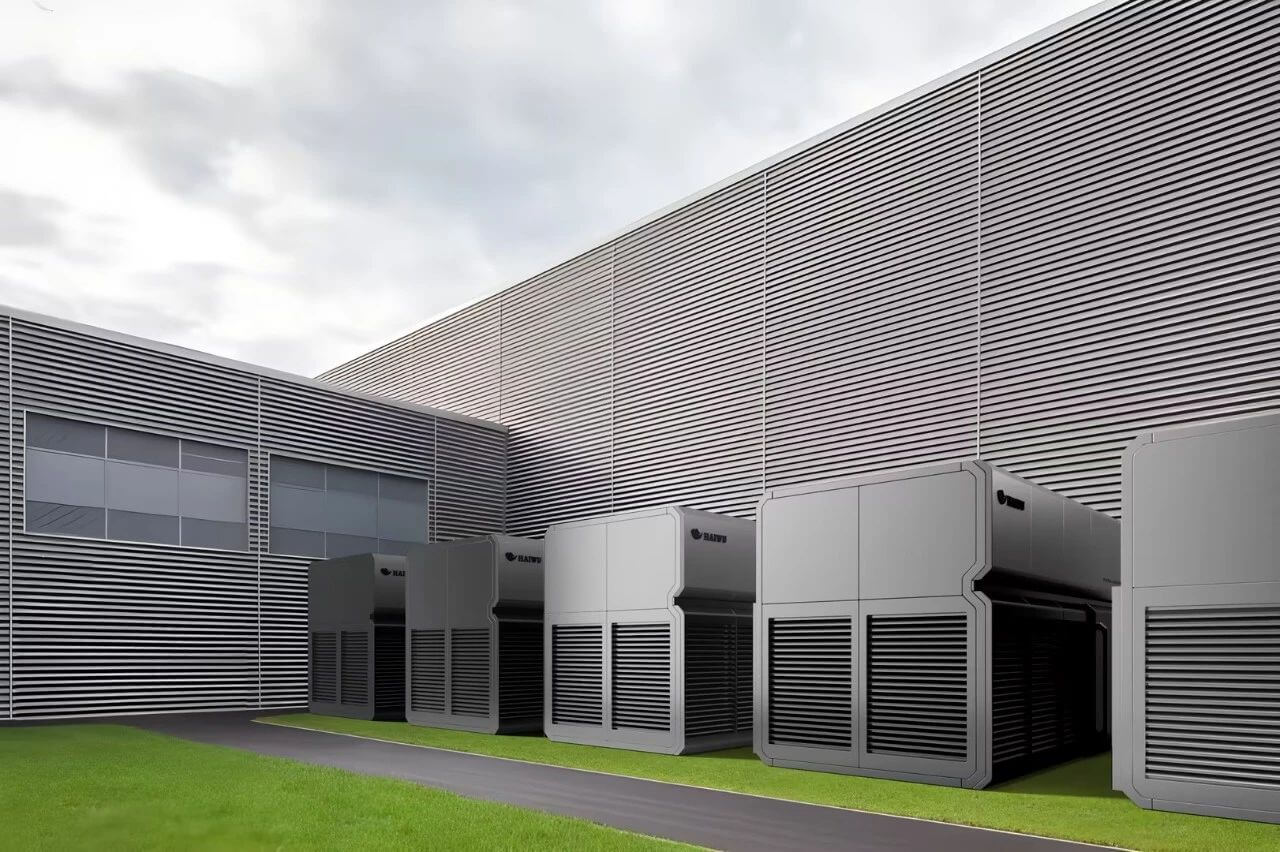
(1) Design purpose: Precision air conditioners are designed for places that require precise control of the environment, such as data centers, laboratories and medical facilities, while ordinary air conditioners are more suitable for providing basic comfort in residential and office environments.
(2) Application environment: precision air conditioners are used in high-standard clean rooms and controlled greenhouses, while ordinary air conditioners are commonly used in home and commercial spaces.
2. Technical performance and efficiency
(1) Control accuracy: precision air conditioners can accurately control temperature and humidity, with a fluctuation range of less than ±0.5°C, while ordinary air conditioners have a large fluctuation range and cannot meet the needs of high precision.
(2) Refrigeration method: precision air conditioners mostly use air cooling or water cooling systems to ensure stability, while ordinary air conditioners mainly use air cooling.
(3) Sensible heat ratio: The sensible heat ratio of precision air conditioners exceeds 0.9, which means higher temperature control efficiency, while the sensible heat ratio of ordinary air conditioners is usually 0.65 to 0.7.
3. Operation and maintenance
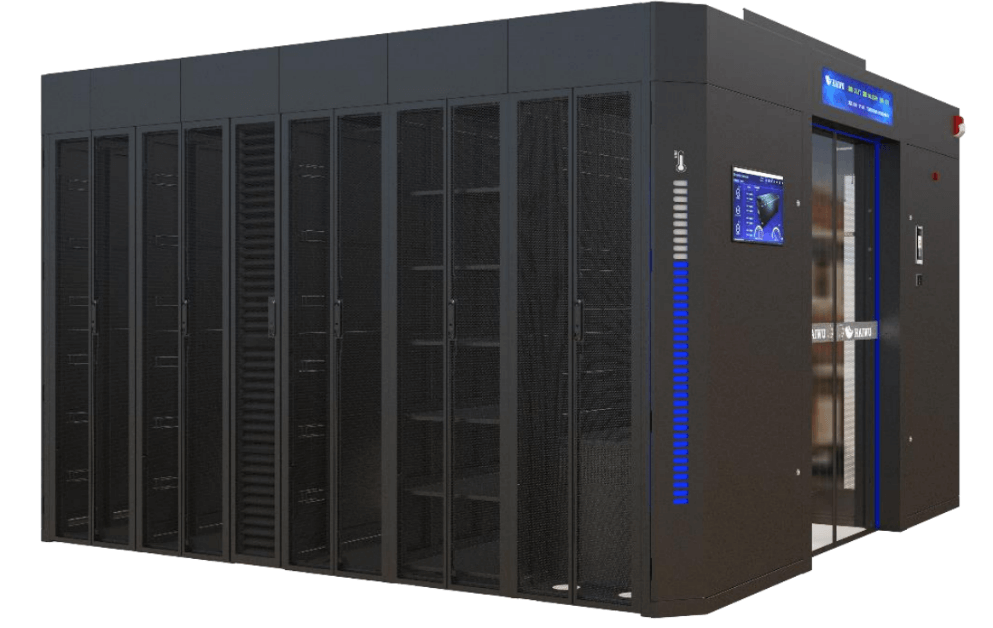
(1) Reliability: Precision air conditioners are designed to operate uninterrupted all year round, using industrial-grade components, while ordinary air conditioners are designed for intermittent operation.
(2) Maintenance needs: Precision air conditioners require professional maintenance to maintain high standards of operation, while ordinary air conditioners are usually simple to maintain, and users can handle most problems by themselves.
.jpg)
4. Cost and investment
Initial and operating costs: The initial investment and operating costs of precision air conditioners are higher than those of ordinary air conditioners, but their high efficiency and low failure rate can reduce the total cost of ownership in the long run.

5. Security and additional functions
(1) Grid adaptability: Precision air conditioners can adapt to ± 15% voltage fluctuations and have lightning protection and surge resistance, while ordinary air conditioners can usually only withstand voltage fluctuations of ±10%.
(2) Anti-condensation technology: Precision air conditioning design avoids condensation and protects sensitive equipment from humidity damage.
(3) Network management function: precision air conditioners are equipped with a complete monitoring system, supporting remote management and fault diagnosis, while ordinary air conditioners have simple functions and lack integrated monitoring.
Understanding the differences between precision air conditioners and ordinary air conditioners is crucial for choosing the right air conditioning system. Although precision air conditioners are more expensive, their high performance and reliability make them irreplaceable in key fields such as healthcare, scientific research, and data management. Although ordinary air conditioners meet the needs of ordinary households and businesses, they are not enough in situations where precise control of the environment is required. Choosing the right air conditioning system not only affects daily comfort, but also affects the safe operation and long-term benefits of critical equipment.


